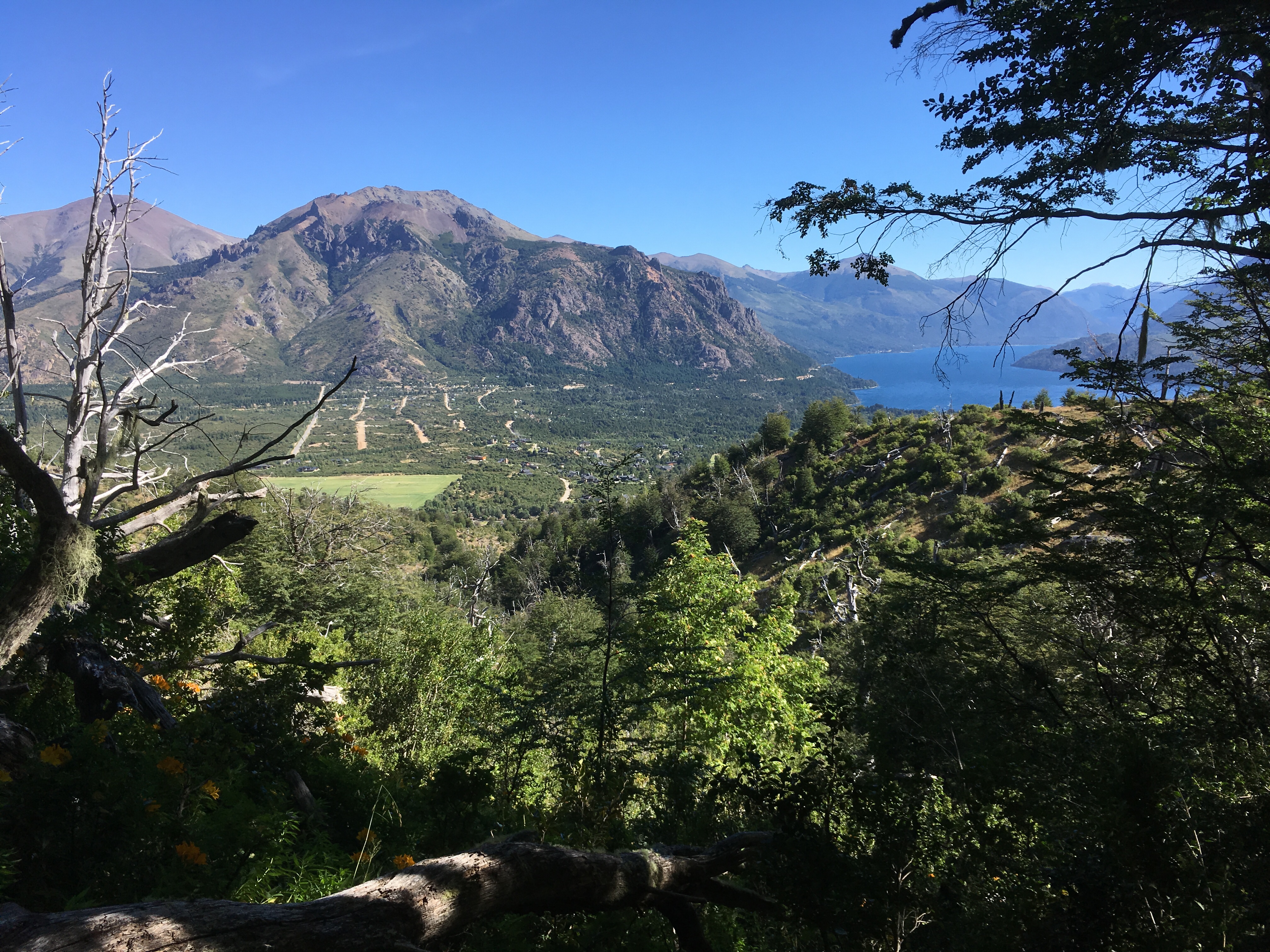
San Carlos de Bariloche is a town with a bit of an identity crisis. It’s a city of overlapping immigrants: the first human settlers were the Mapuche, who moved in thousands of years ago in the same vein as the Inka, the Maya, and the Ottawa. Then came the Spanish, the Jesuits, the Germans and the Swiss, the North Americans, and the tourists (and me). Today, the west end of Bariloche has a Swiss colony nestled into the foothills by Llao Llao. Many residents hold foreign passports, and most of them are transplants from other parts of Argentina. As a major tourism and ski resort destination, Bariloche has an upscale cobblestoned street downtown lined with artisanal chocolate shops, microbreweries, and outdoor adventure shops bursting with high-end overseas brands like Merrell, Columbia, and Osprey.
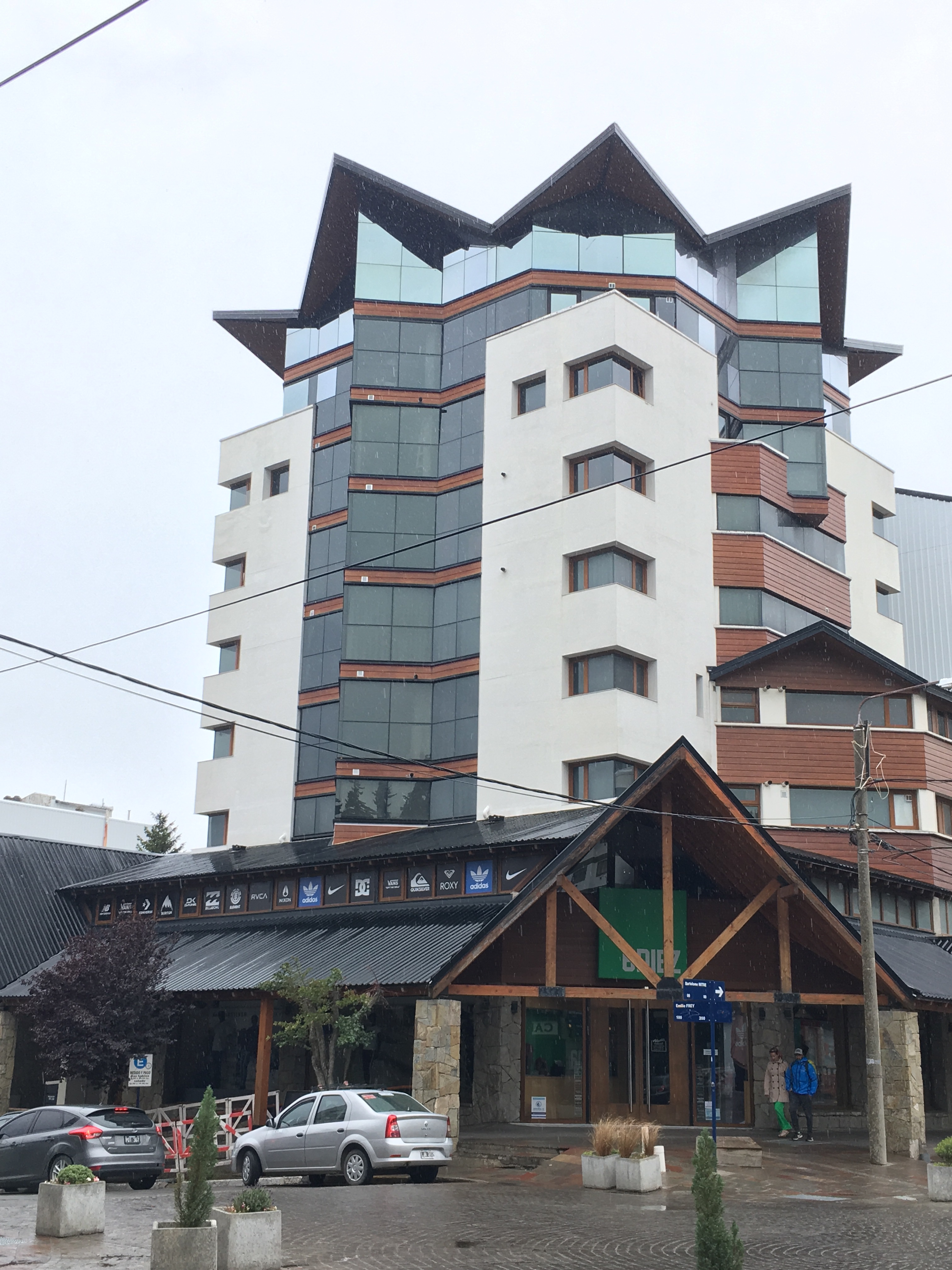
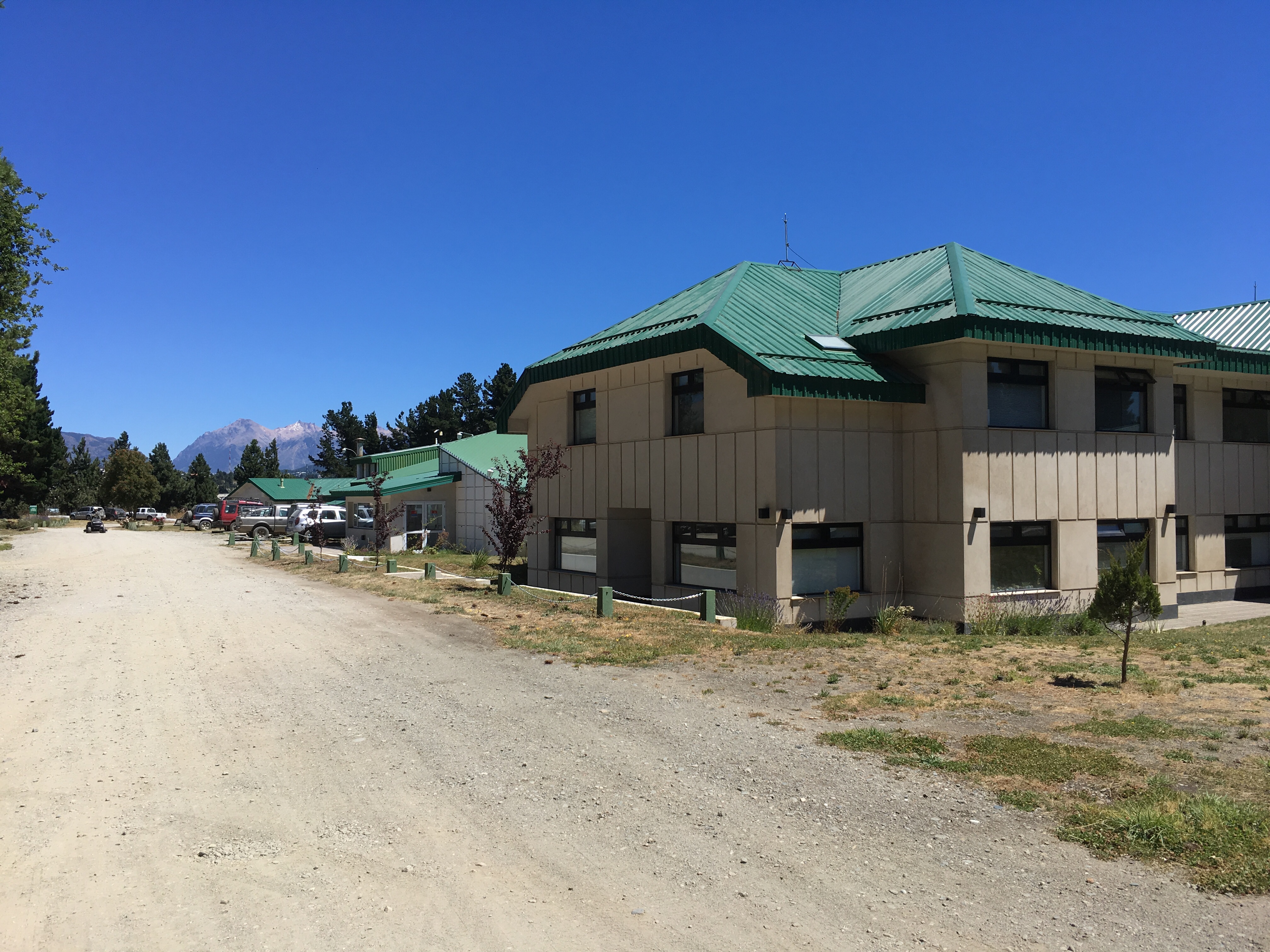
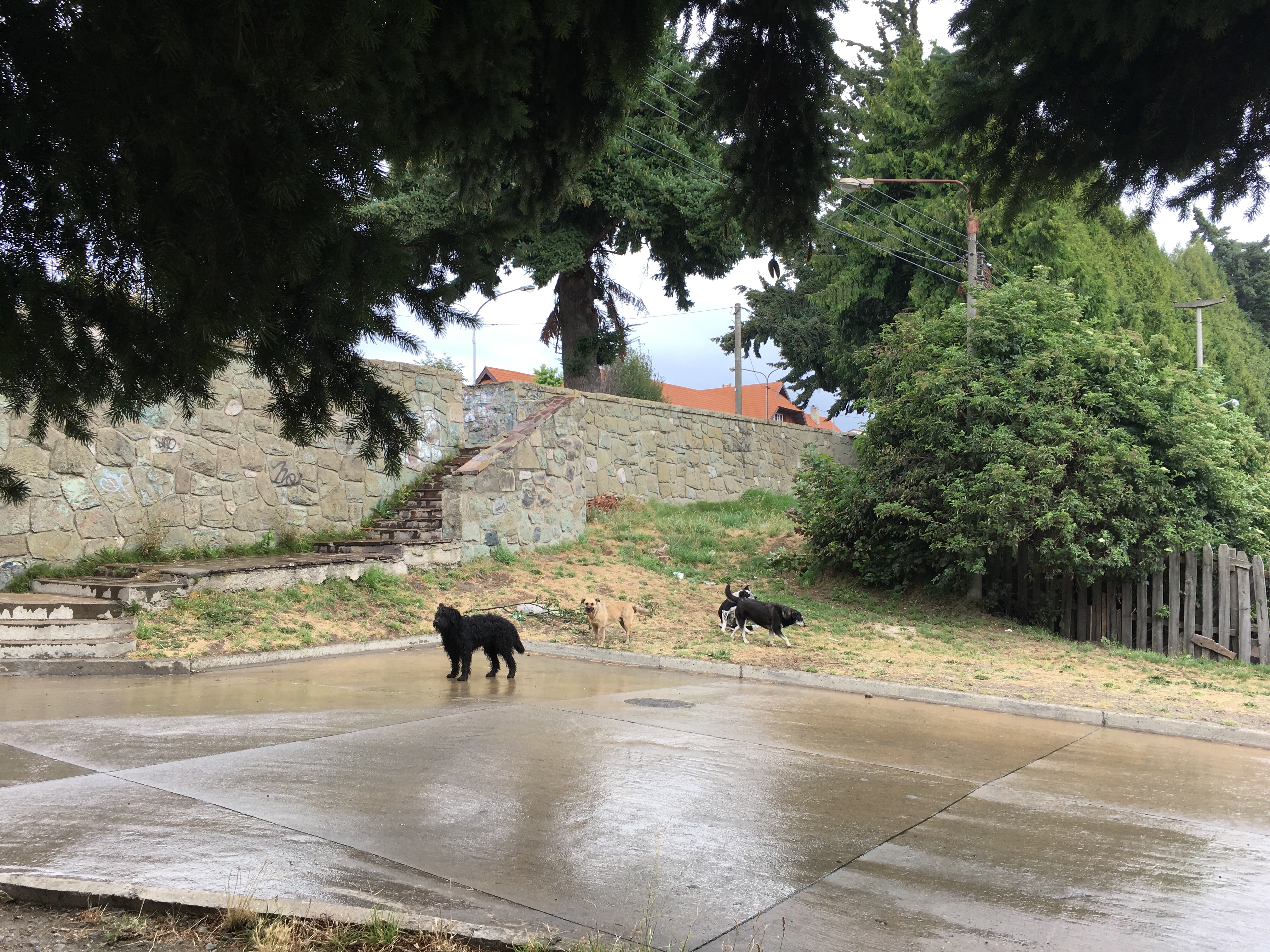
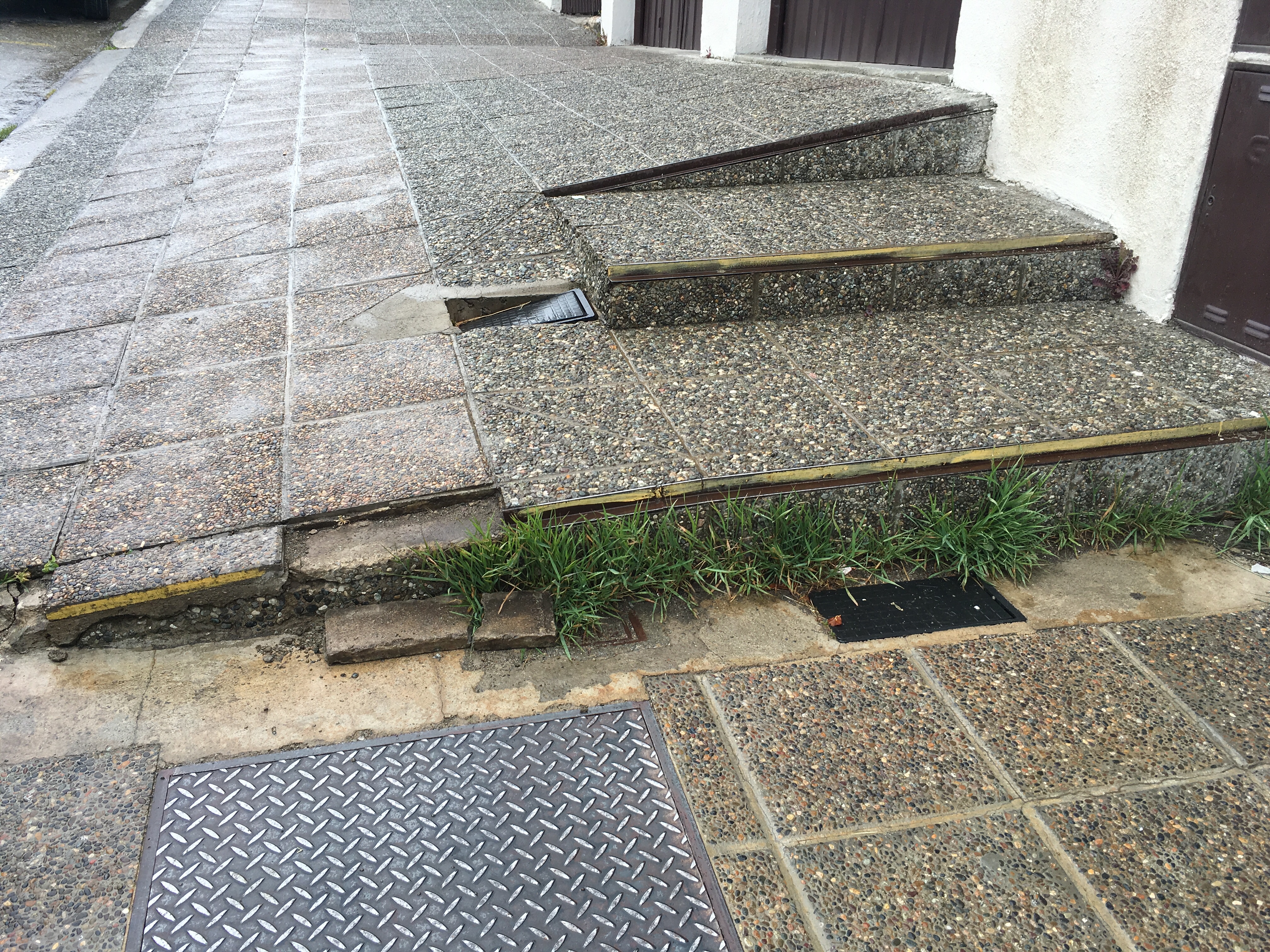
But when you move north to the next parallel street, there are metal bars on every first-floor window, many of the cross-streets turn to dirt, and concrete-and-rebar skeletons of unfinished buildings stand waiting for money or attention. You have to diligently watch your feet on the sidewalks, which are an unruly blend of dirt paths, stairs of wildly differing height, and broken pavers. Packs of street dogs roam the city, although they’re generally fat and well-behaved because they’re collectively fed and cared for by the residents. And then you go a little bit further and hit the natural northern border of the city, the rocky shore of Lago Nahuel Huapi, ringed by wild purple mountains. The water is crystalline, and I’ve seen people drink directly from it. Kayakers, windsurfers, and bathers fill its waters on toasty days. Bariloche, it should be mentioned, also sits smack in the middle of a National Park.

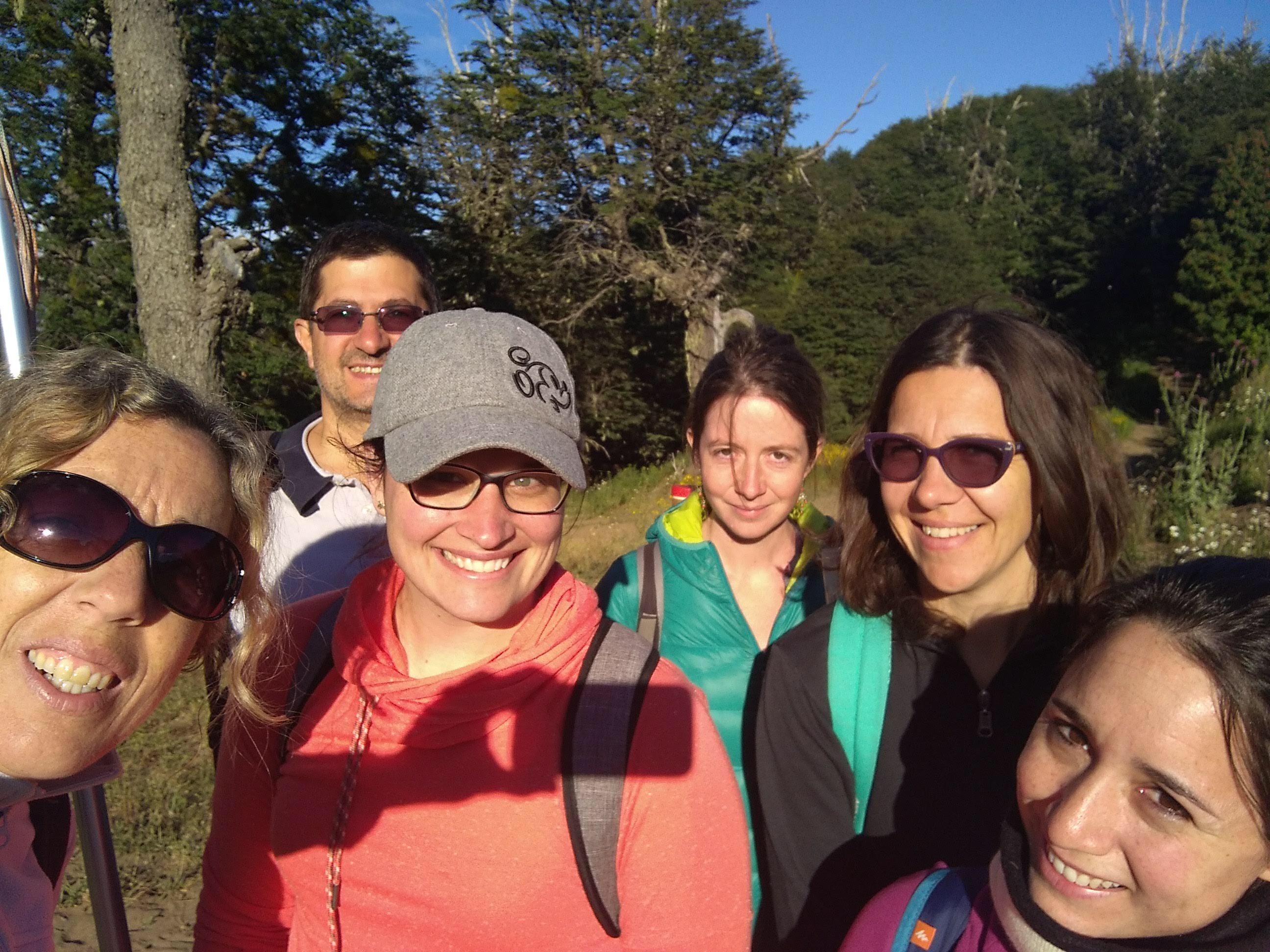
Being a PhD student here is an equally unique blend – so far I’ve found it to be a delicate balance between leading and following. Before my first day in the field, I had never even seen a lenga tree before, nor had I ever cored a tree. At some point I’m supposed to analyze the genetic relationships among trees, and I can only vaguely remember how DNA even works (my baccalaureate Biochem class was in 2009…yikes). I am suddenly surrounded by experts who have been working with these trees and doing these procedures for decades, and I have to simultaneously learn from them and organize them. The phrase “herding cats” comes to mind, but even that doesn’t even quite convey the amount of chaos.


Not to mention that I am also immersed in a foreign language that I have never studied or even really heard before in my life. Spanish-speakers, much like English-speakers, are on the whole fiercely proud of their language and adamant that others should learn it. German-speakers, by comparison, are incredibly courteous. The younger ones generally switch to English when they hear an English accent (even if this is detrimental to those of us who are trying to learn German). Here, the English lasts for a minute or two at best, and then I am shut out from the conversation as they migrate back to their native tongue. I’m not insulted by it – I know it’s not intentional rudeness, it’s just easier and more comfortable for my colleagues to express themselves in Spanish. But it does make for an extra layer of challenge, especially when they take it upon themselves to start teaching me Spanish (regardless of whether or not I have the available brain-space to learn anything else at that particular moment).

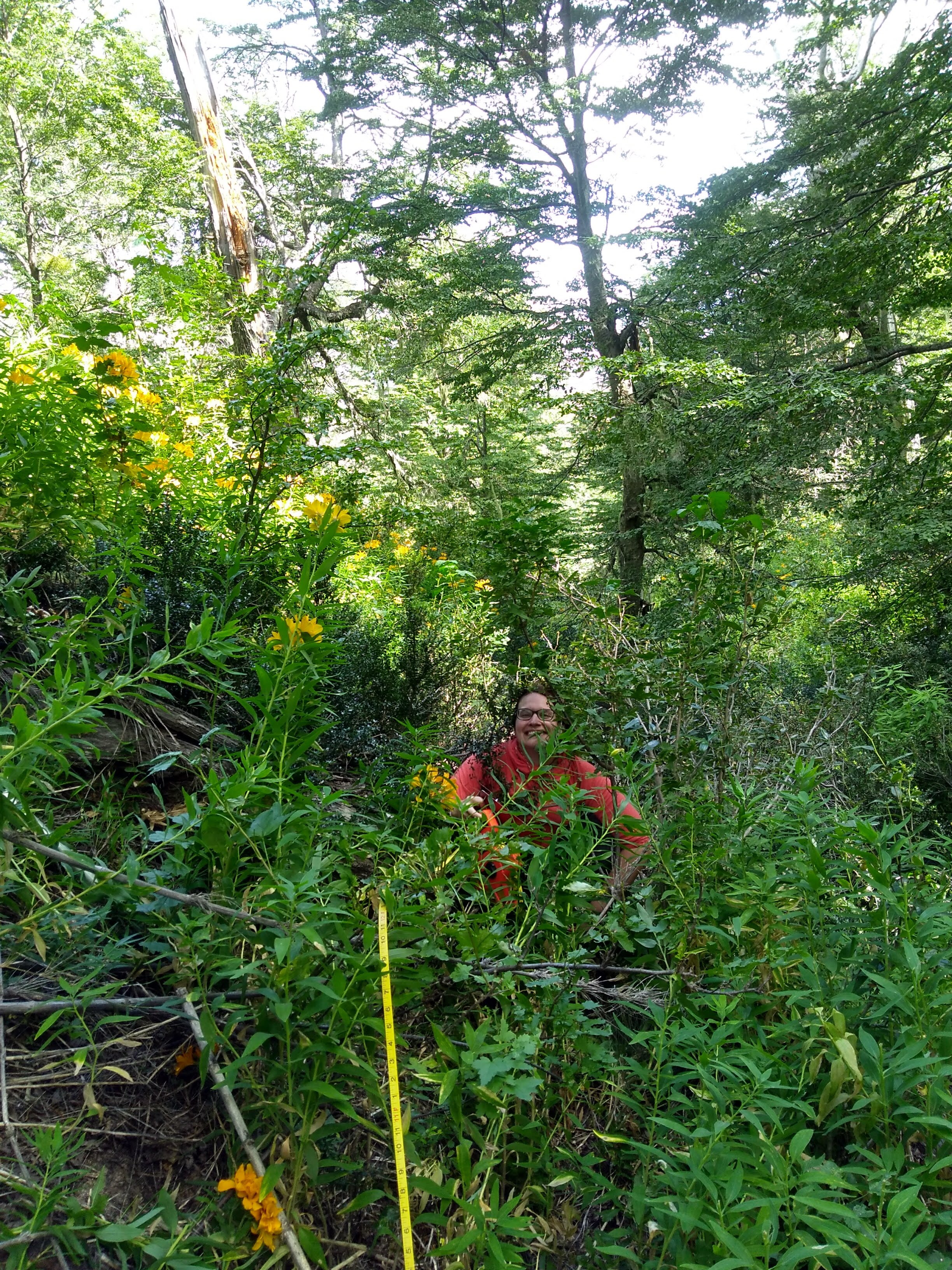
I am two field sites down, with 18 to go. For the next two months I’ll be driving (and flying) thousands of miles all over the Argentinian side of the Andes mountain range, from Epulauquen in the north to Tierra del Fuego at the southernmost tip of the continent (see the interactive map below). The goal of my research, in layman’s terms, is to study a native tree species called lenga (Nothofagus pumilio), and try to establish whether there are relationships between things like elevation, latitude, precipitation, and tree growth, and additionally to study the genetic composition of individuals and gene flow of populations.
I work in the mountains, which is fitting because I am currently standing in the metaphorical foothills of a gigantic mountain of research that will take me three years to climb. There’s no telling how many valleys, glacial crevices, and false summits lie between me and the peak. I will rely upon the help of dozens, if not hundreds, to get there. But I have to focus on taking one step at a time, because I think to look up at my lofty final destination is to give myself over to madness.
But for now…onward to Ushuaia!


 Window Seat Odyssey
I see that the power-tool training your dad introduced you to as a 3-year-old is coming in mighty handy. Leaders are often not the experts in the field; they are wise enough to let everyone contribute their talents too. I have every confidence you’ll climb the summits of this new adventure with the tenacity you’ve exhibited in the past!
LikeLike