I walked out of the Argentinean jungle and let the boardwalk carry me across a wide shallow river towards Brazil, waiting on the opposite bank. The humid air was a highway for butterflies and toucans, and a medium for the overlapping calls of exotic critters. Underneath these jungle sounds, though, there was an endless thunder-like growl, coming from the great beast that waited for me at the end of the boardwalk. The first glimpse of the monster was its breath, a fine mist rising from the beyond. Then the silty green water just beneath my feet started to flow faster. Finally the riverbed gave way completely and I stared down into a churning white abyss, a hole in the Earth that’s rightfully been named the Devil’s Throat. Doubtless it could have swallowed me whole. Parallel cliffs thrust out from both sides of it, one Brazilian and one Argentinean, and both wore identical veils of falling water that filled my lungs with vapor and my eyes with rainbows.
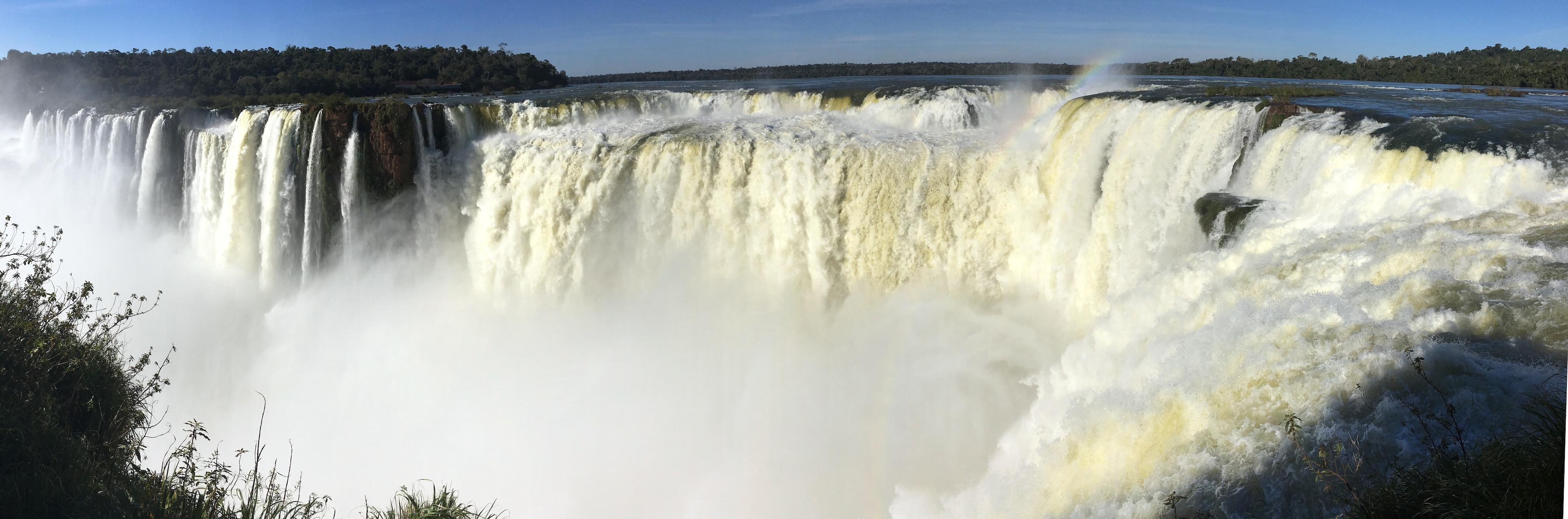
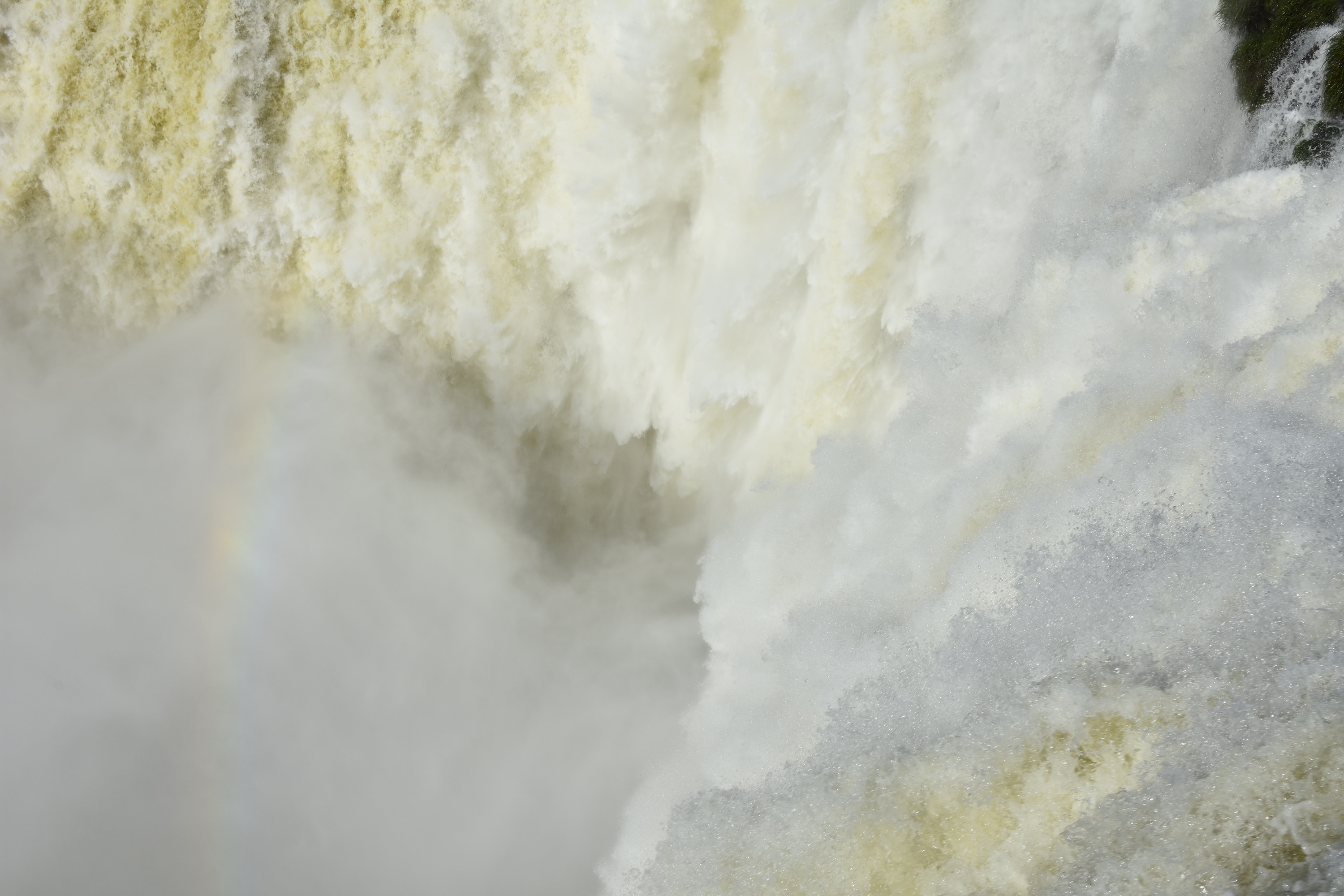
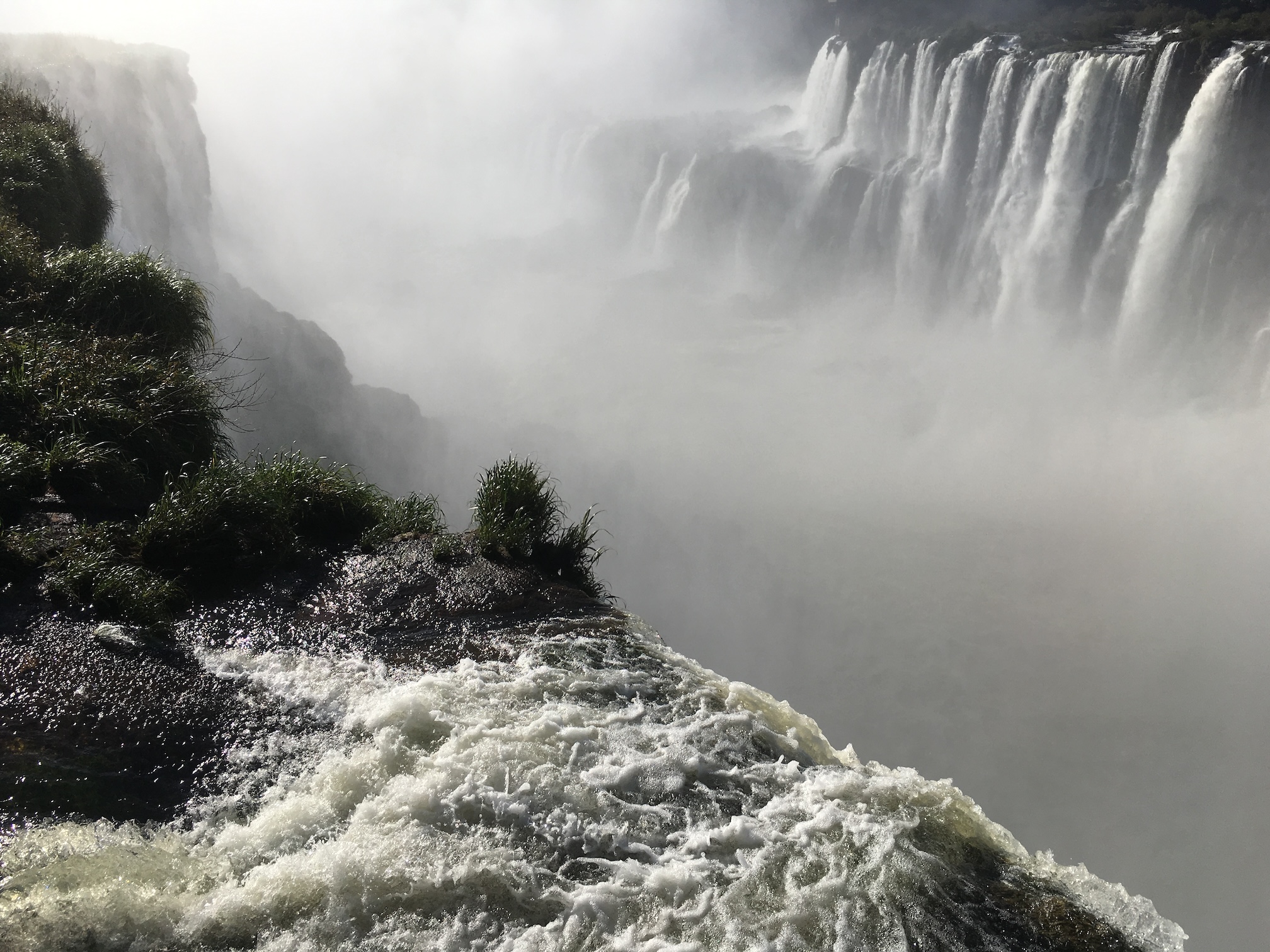
“Waterfall” is a deeply inadequate word for Iguazu. Frankly every word is inadequate for Iguazu, this colossal chasm in our planet’s surface that has been trying to fill itself up with water for the past 200,000 years. The Iguazu River unzips into 275 different drops that spread across two miles, then it simply zips itself back together again at the bottom like nothing happened and rushes onward towards Paraguay just a few miles away. As a cherry on top, Iguazu’s surroundings remain quite wild. Twin national parks protect the intact forest on both sides of the river, and human visitors are strictly prohibited outside a few cleverly-hidden buildings and official paths. A single glance at the impenetrable forest tells you that you’d be crazy to leave the paths anyway, and not only because jaguars are famous residents of the Iguazu parks. Some of the more habituated wildlife was happy to bring itself out to me instead. Herds of wild coatis, cute little cousins of the raccoon, kept sneaking up beside me and sticking their flexible noses directly into my pockets, hoping for snacks. And the butterflies, every color and size and type, even glasswings whose golden wings are transluscent. And…did I mention the toucans?
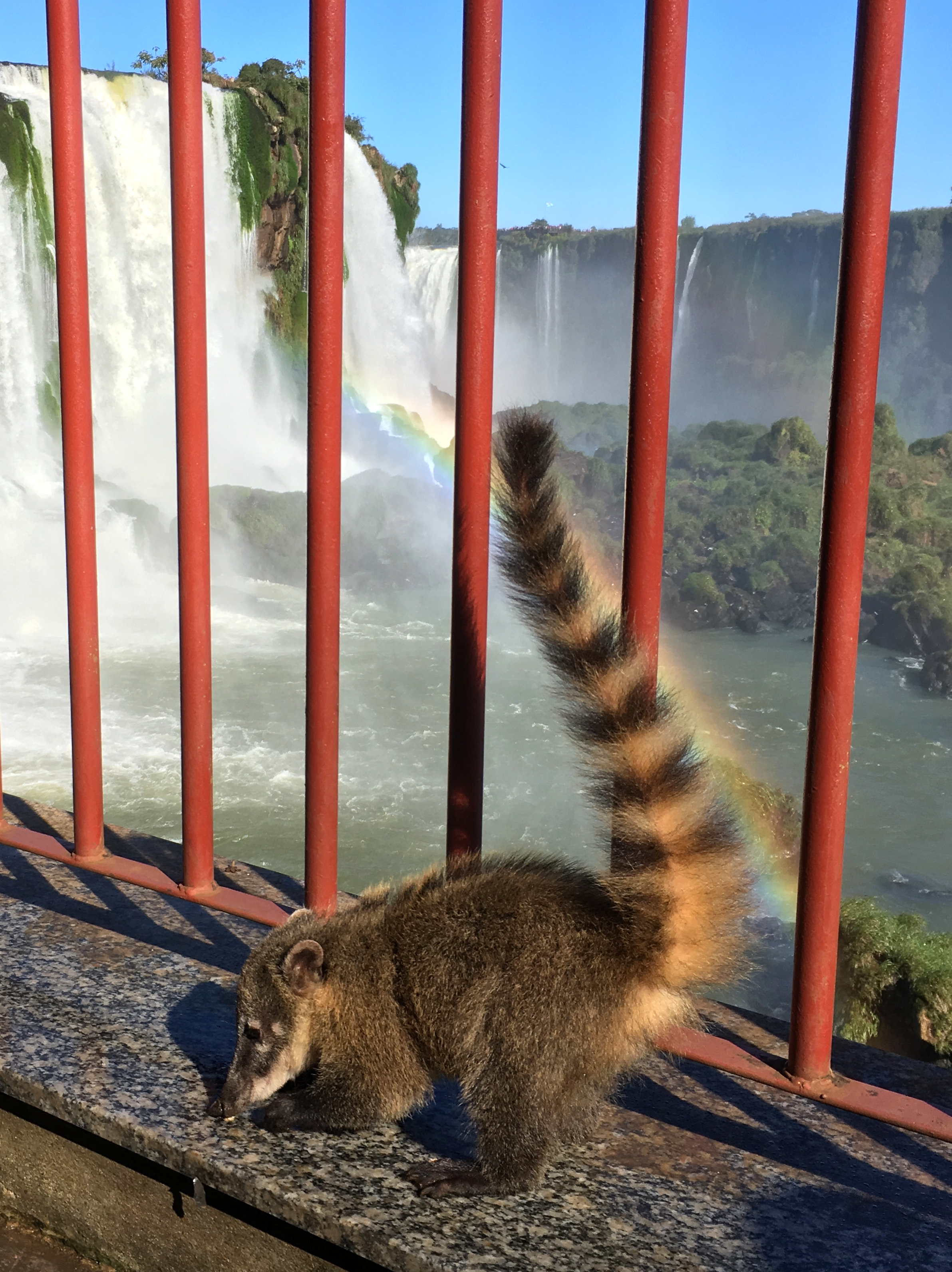
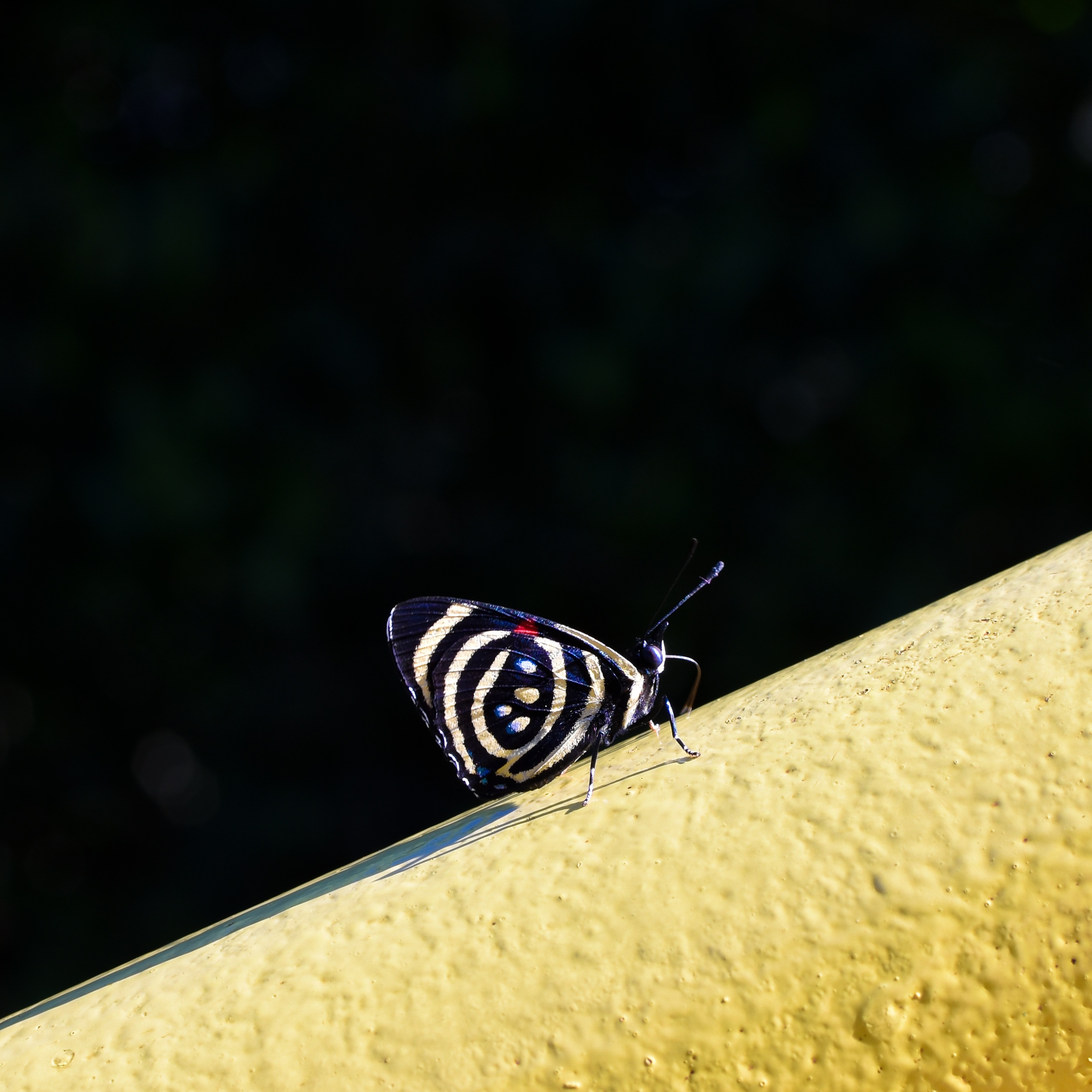
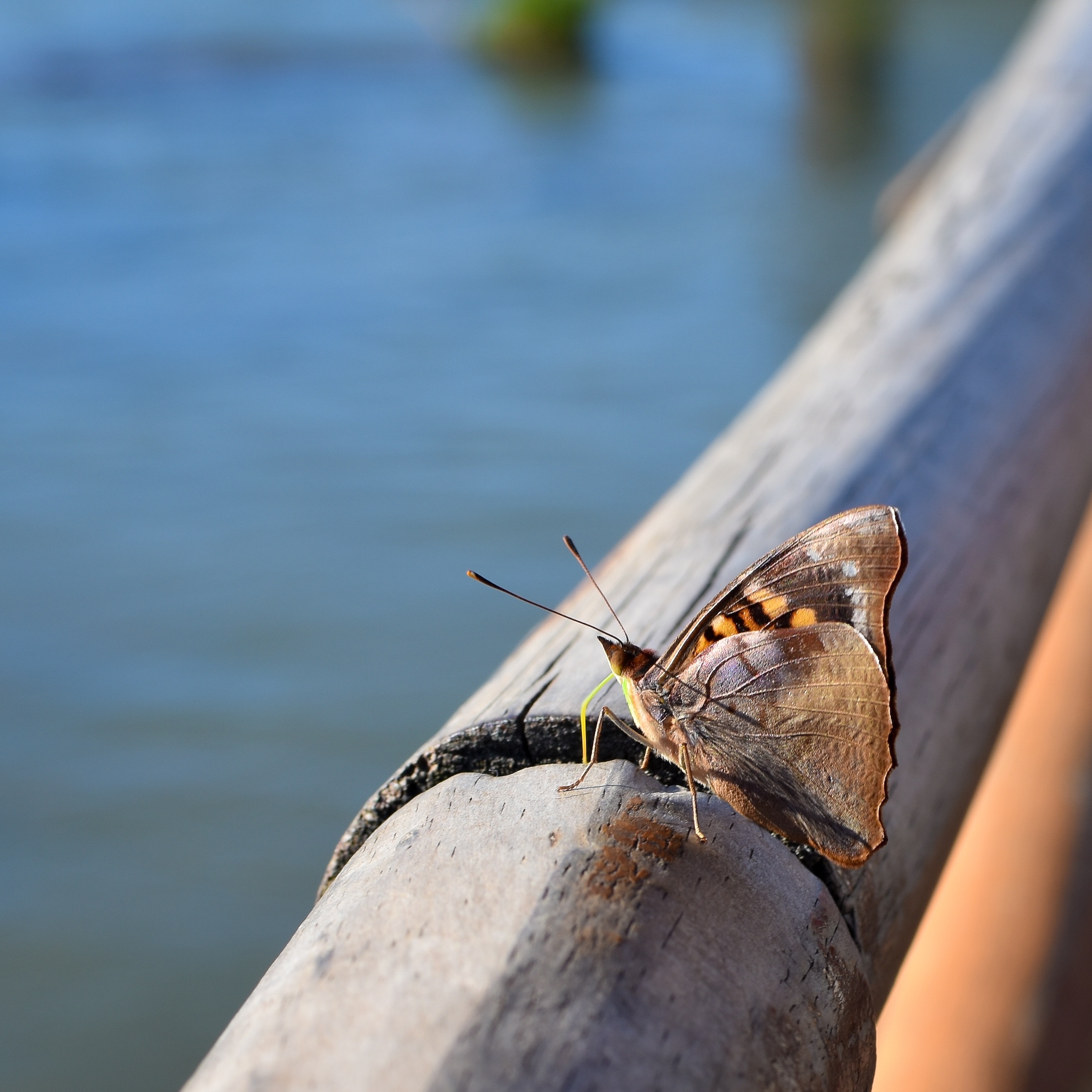
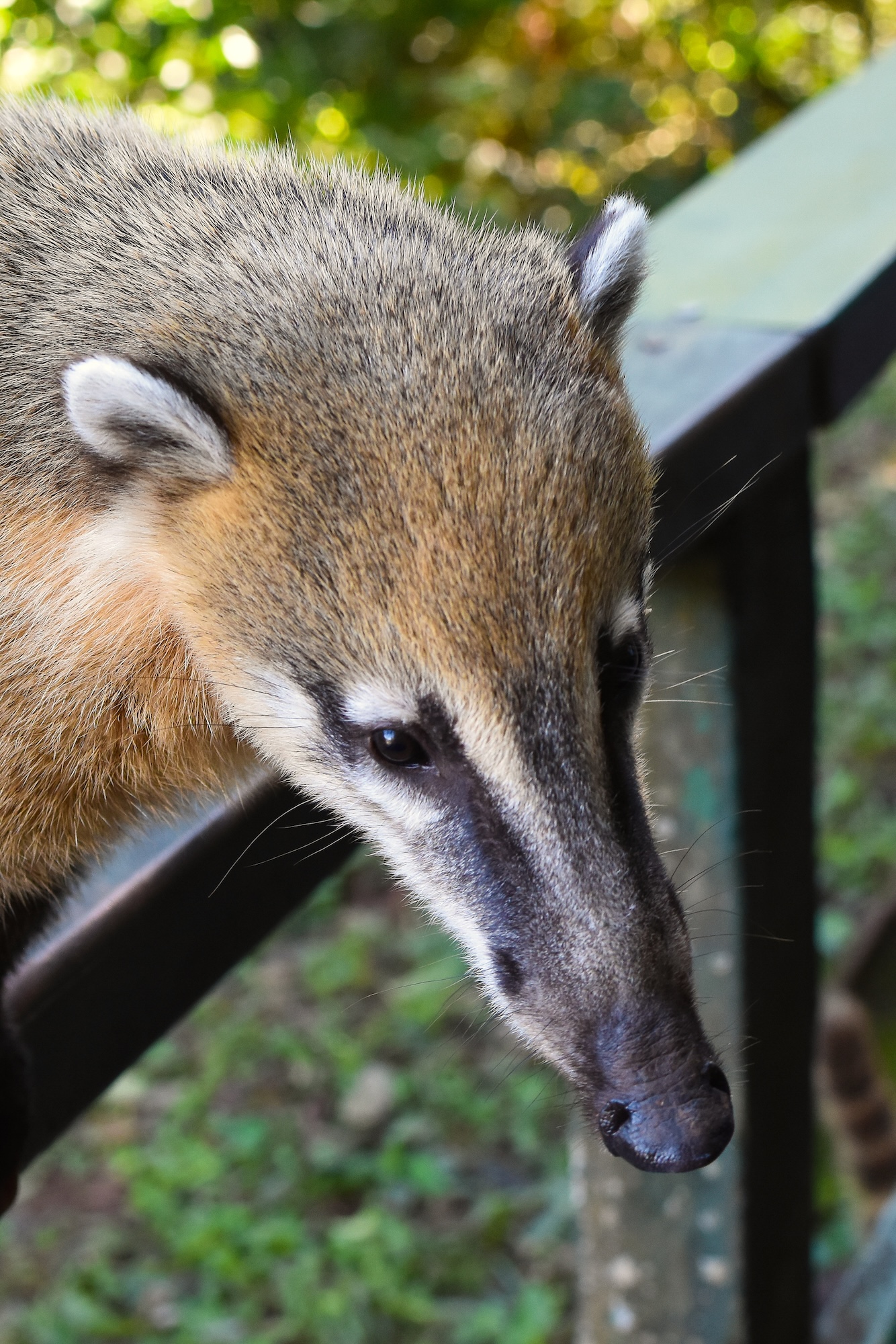
Coatis (“quah-tees”) and butterflies
I visited Iguazu back when I was living in Bariloche,1 and flying north from Bariloche to Puerto Iguazu is the rough equivalent of flying south from Minneapolis to Key Largo. Both places are within the same country, so they share a language and cultural spine (and mate addiction), but from there they’ve gone in different directions. Bariloche is a ski town dominated by the volcano-laced Andes, while Puerto Iguazu is a subtropical village whose neighbors include capuchins, anteaters, and ocelots. Bariloche’s houses look like an Argentinean hot take on Swiss chalets, and Puerto Iguazu’s homes are ranch-with-a-tin-roof affairs, tucked behind sprawling gardens that bloomed even in the dead of winter. My Iguazu hostel dorm room’s shower was fed by a rainwater tank on the roof, but there was also a jungle-filled poolside garden stuffed with banana trees and heliconia flowers that felt like a tiny exotic oasis.
Technically I was in Iguazu for business, if you can count visa border runs as such. Months of field sampling and road trips through Chile meant the first pages of my brand-new passport were overflowing with 3-month Argentinean tourist visas, and about two weeks beforehand I’d realized my latest stamp would expire a single day before my flight back to Germany. Rather than gambling on airport border patrol or taking the easy route and just going to Chile (again), it sounded a heck of a lot more fun to hop the Brazilian border and visit a new corner of Earth instead. Also it was July and Bariloche was buried under a foot of snow. Business before pleasure, as they say, so I hopped the border on my first day and visited the Brazilian side of the falls first (and by happy coincidence, that happens to be the best way to visit Iguazu).
Open-air park buses take visitors from the border of Brazil’s Parque Nacional Iguaçu down the single road into the park, which weaves through the unbroken jungle. The ride in was a much-needed mental reset that wiped clean my memory of the outside world and bathed me in green. Where the road ended, a single walking path began, leading me high along the cliff’s precipice. A red-rock gorge yawned out before me, and it seemed every few steps I took revealed a new watefall along the opposite bank. Eventually the path led down and across a middle step of the falls, ending with a view straight into Devil’s Throat chasm. I stood in a bowl of churning and growling whitewater whose rising mist clung to my eyelashes and sweater (yes, a sweater in the subtropics, it was still the dead of winter!).
It’s safe to say the Brazilian side knocked my socks off. However, my flabbers would truly be gasted by Argentina the next day.
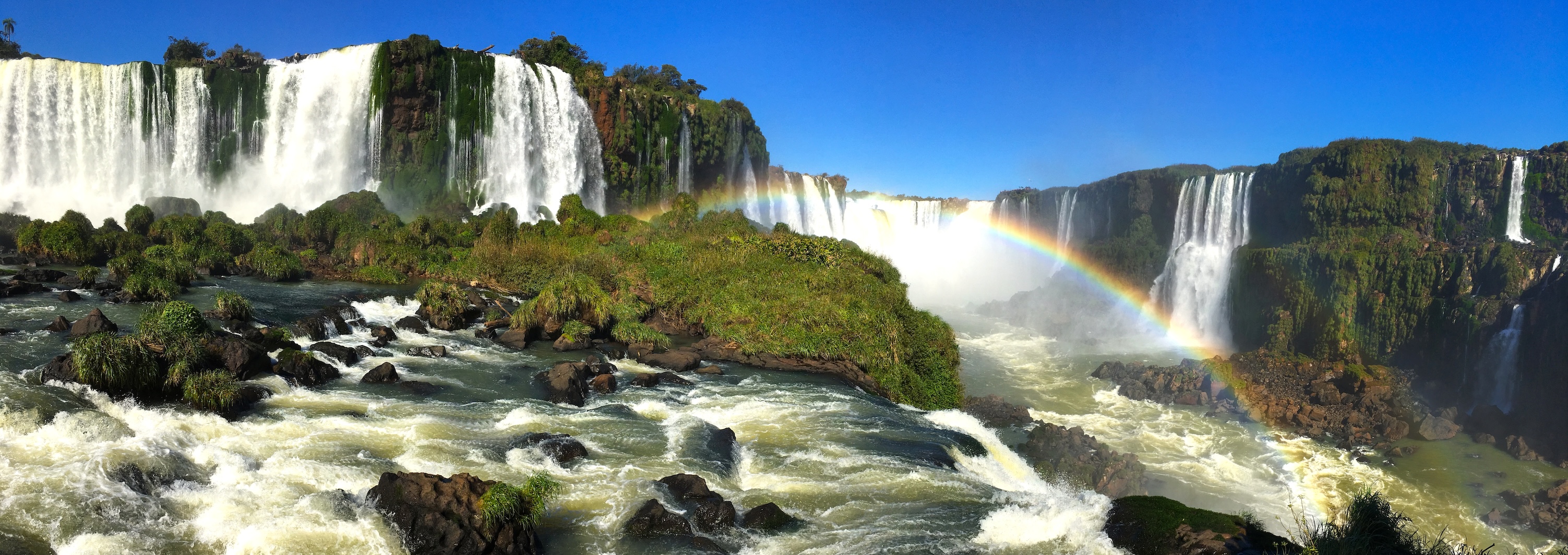
The best view from Brazil, looking into Devil’s Throat (under the rainbow) at the trail’s end
Just like how Canadians enjoy a better view of Niagara Falls than the Americans do, Argentina and Brazil have been dealt very different hands by hydrology. Immediately above the falls, there’s an oxbow bend in the Iguazu River. Brazil is on the inner bank, so it gets a few hard drops and a distant view of Argentina’s falls across the gorge. Meanwhile the high flow has carved long parallel islands into Argentina’s side, which spreads the river out and slows its speed. The Argentines could built boardwalks that weave throughout those forested islands and out along the upper edge of the falls, including the Devil’s Throat.
Argentina opted to carry its precous tourist cargo around with tiny trains rather than buses, a notion I can get behind, and the train stops at different trailheads. Follow any trail and you’ll quickly learn Argentina’s secret: probably a quarter of Iguazu’s waterfalls are hidden from the Brazilians’ eyes by the huge San Martin island sitting in the middle of the gorge. Each fall is an impossibly perfect plunge that splashes down between wild palm trees and rainbows, and the boardwalks get you right up and personal with many of them. It’s usually hard to tell if you’re walking through a forest or a river because the two are so enmeshed, and rarely is there actual dry ground beneath your feet.
Undeniably, Iguazu is one of the most incredible places on this green Earth I’ve ever seen. Water, wilderness, and wildlife – what more could anyone want?
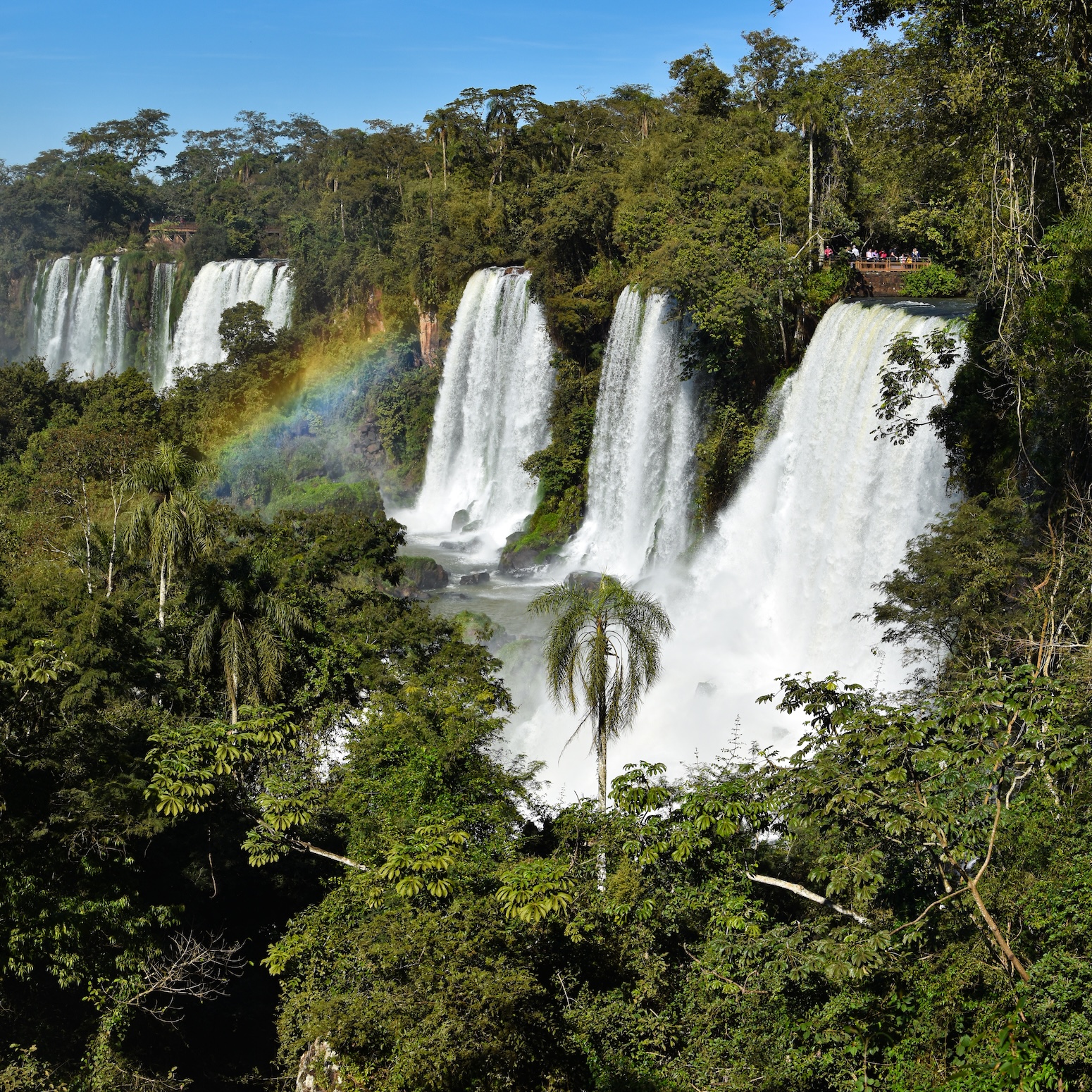
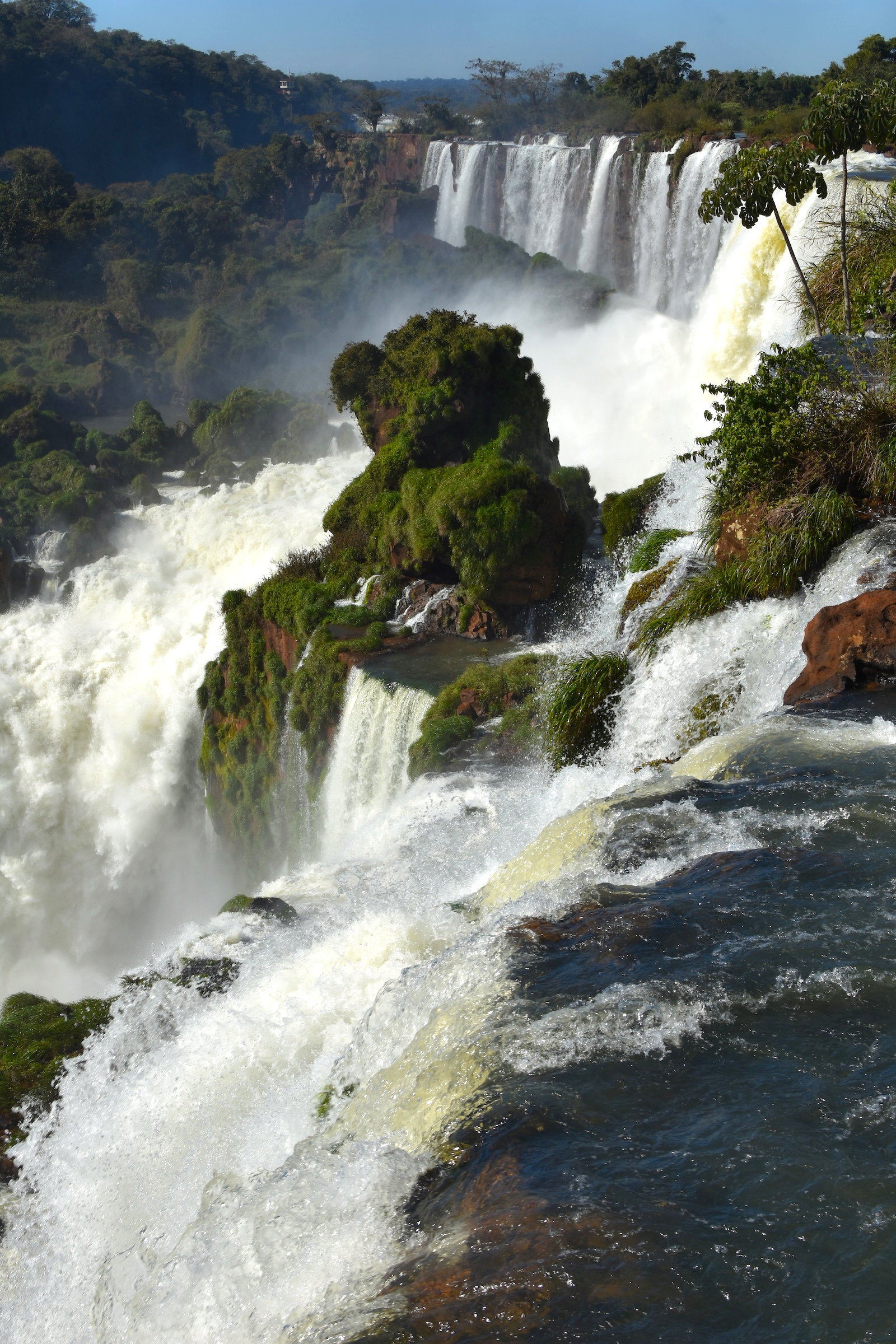
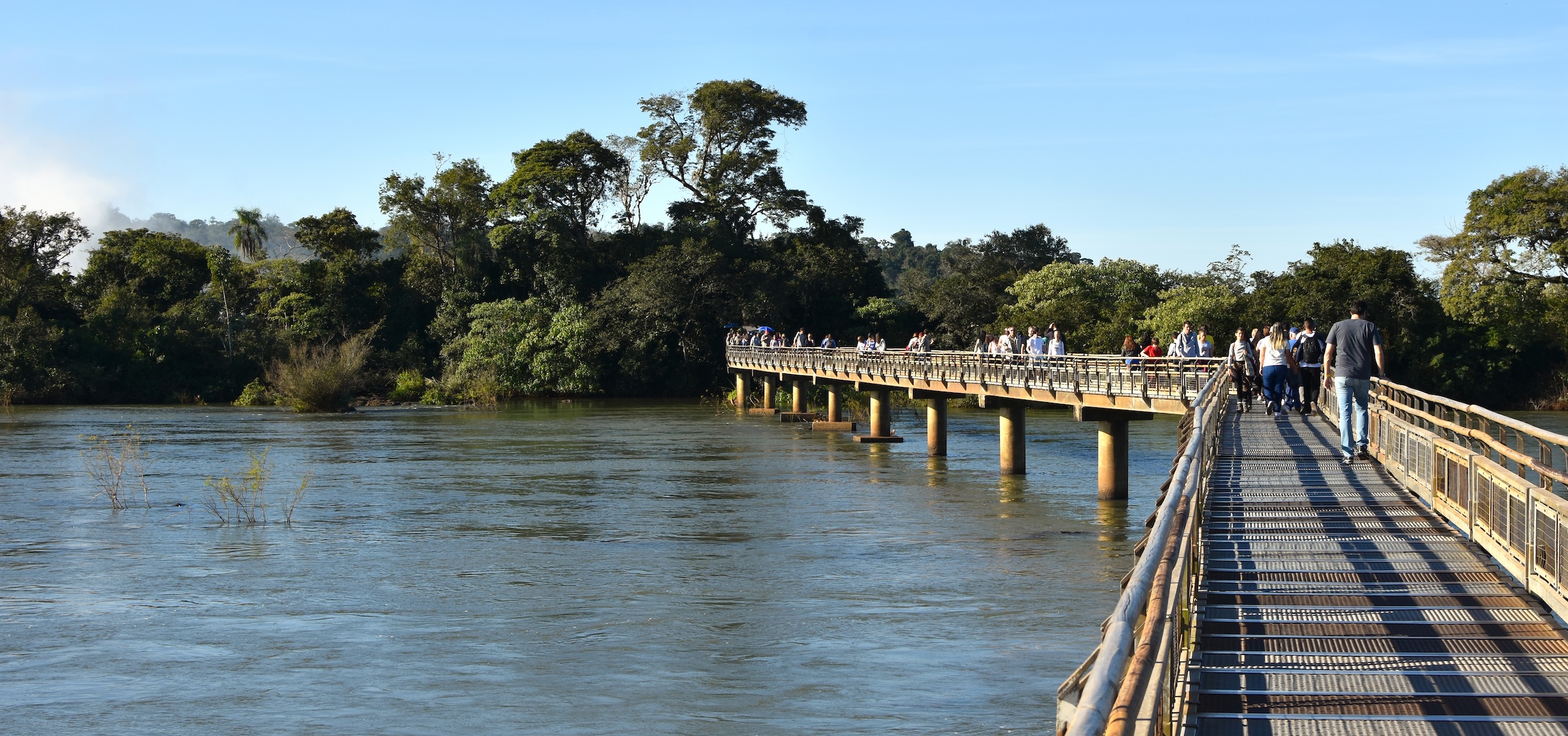
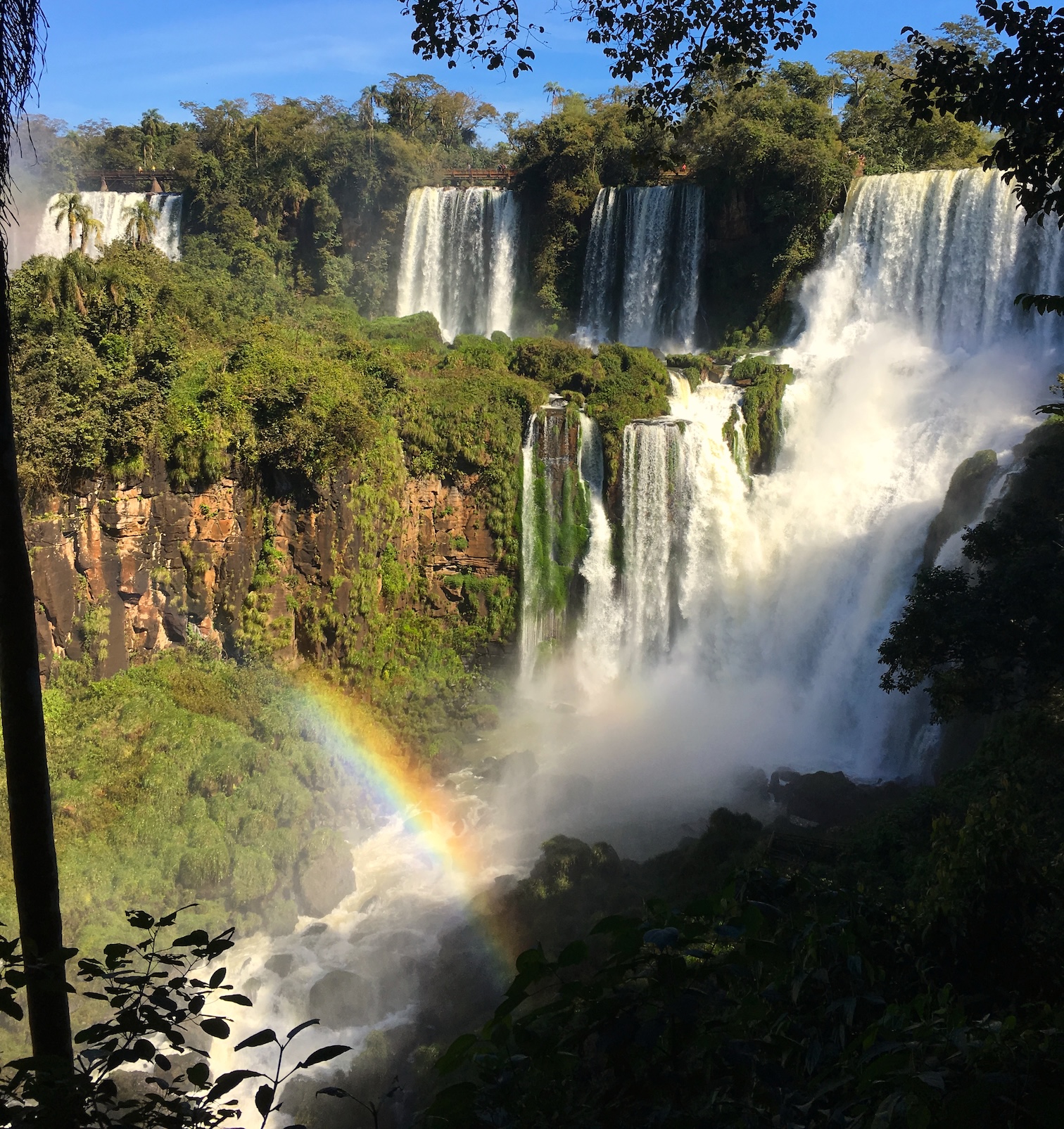
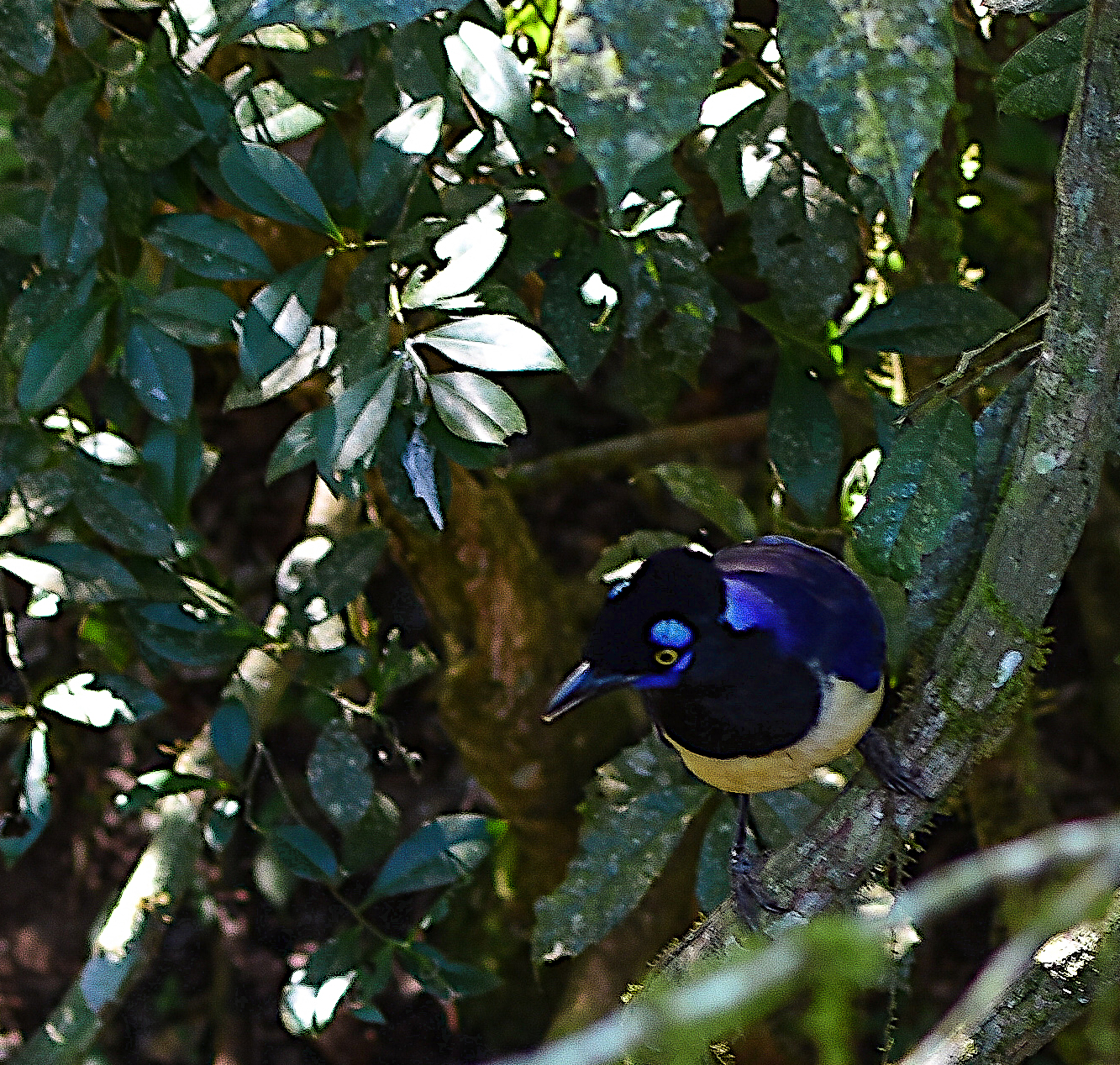
Argentina side from different trails, and a Plush Crested Jay
- Full disclosure, this trip was in July 2019 – I just finally pulled it out of Drafts folder into the light of day! ↩︎
 Window Seat Odyssey
Leave a comment