Why is no one talking about this place? is a question I have to ask whenever I visit Europe’s underloved places. This list is a requisite sister post to my recent list of Europe’s attention hogs, and now I’m trying to nudge the spotlight to shine on a few places I think deserve more attention. Sometimes I just name whole countries and regions because I think it’s pointless to pick a top favorite place.
Croatia
My spirit has always been drawn to seas and mountains and islands and Roman ruins, so it’s no wonder I was gobsmacked by Croatia the first time I visited. Many repeat visits later, Croatia has earned its place among my top 3 favorite European countries.1 The northern city of Zadar is where the locals go to take the healing of the sea and walk along streets so old they predate even the Romans. In the middle of the coast sits Split, a Greek-Roman city that’s a modern party town. Dubrovnik is the most insane walled city I’ve ever seen, and remains one of my favorite places in Europe despite being a famous tourist hotspot. And just offshore, the 1,000+ islands of the Croatian archipelago remain overshadowed by the Greek isles, for some ridiculous reason. If you can manage to tear yourself away from the Adriatic for a few days, Plitvice Lakes (meaning “falling lakes”) is an improbable place where forests and lakes and travertine waterfalls have all merged into one. And as a very important footnote for the cat ladies and lads, the whole country is overrun with friendly felines.
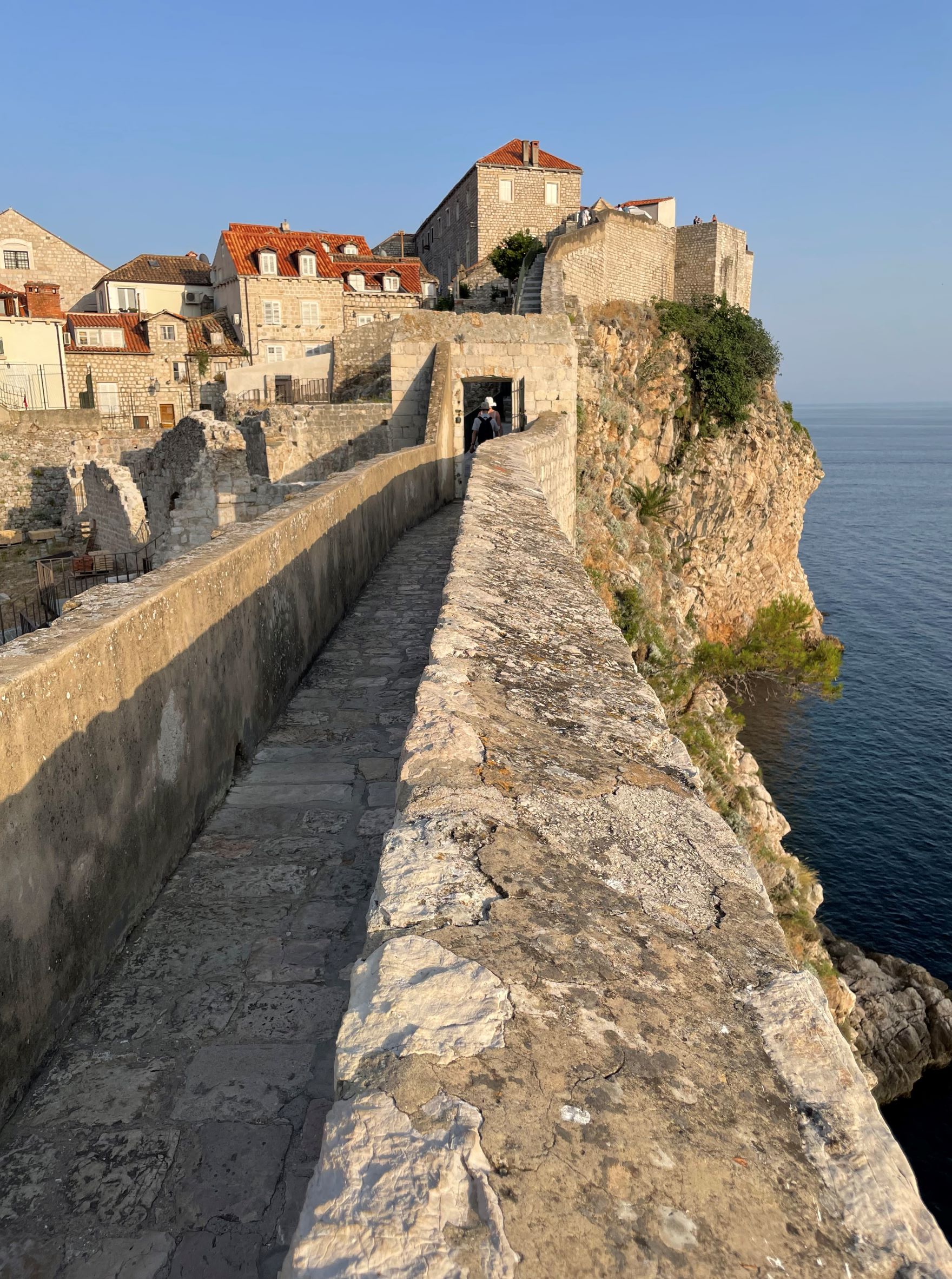
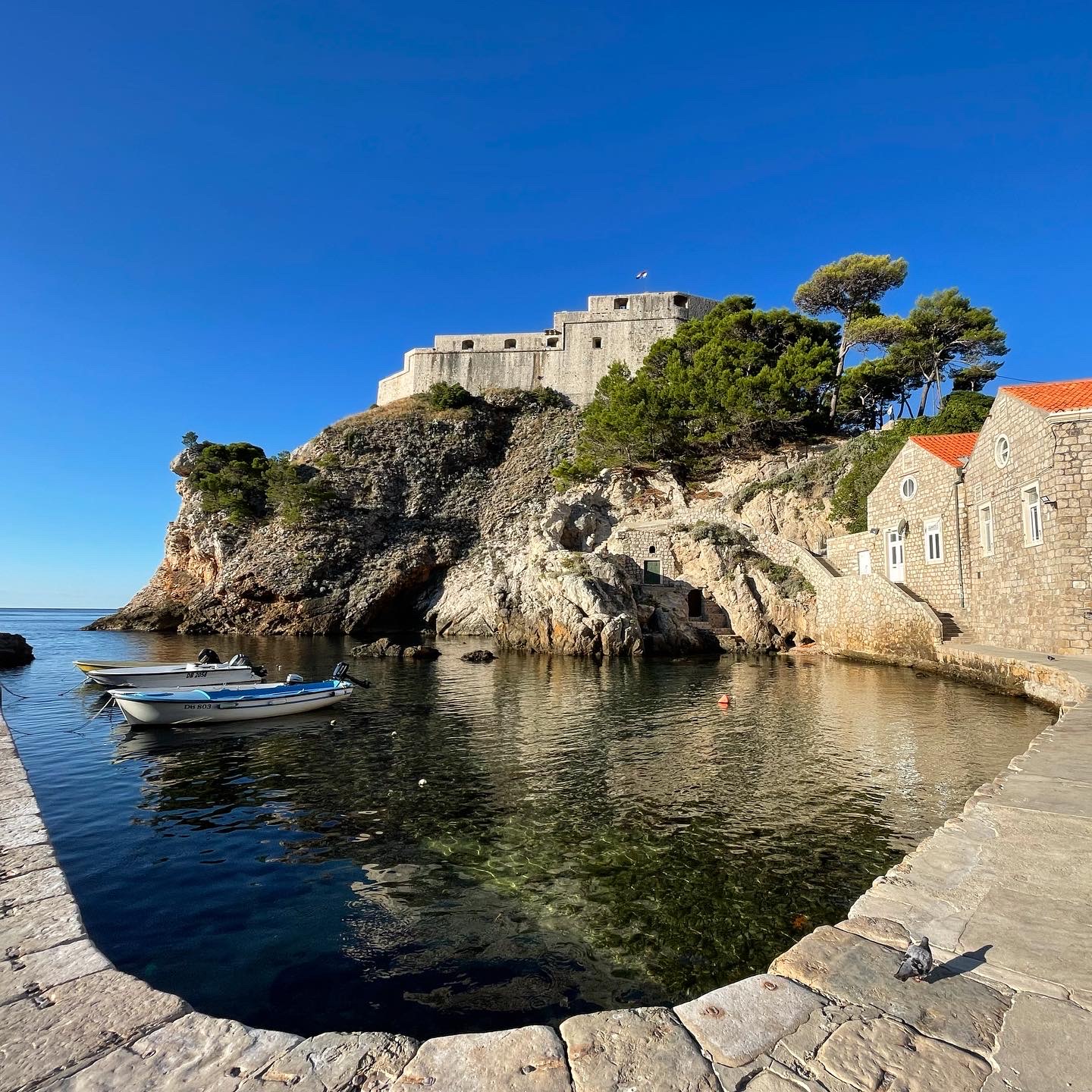

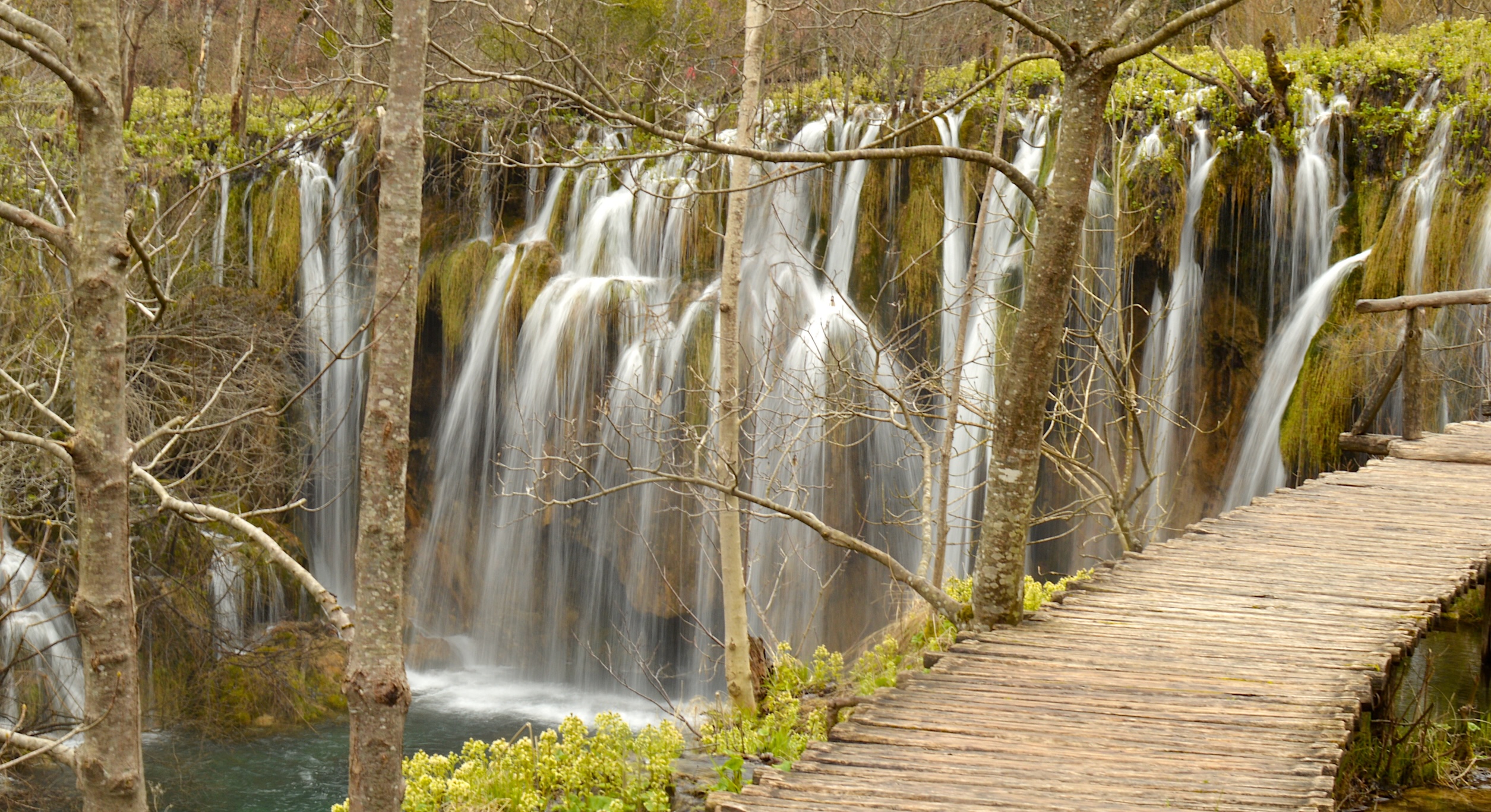
Top: Dubrovnik (yes, all three, it’s very photogenic) / Bottom: Plitvice in late winter
Denmark
Scandinavia rightly gets a ton of attention, but everyone focuses on Norway and Sweden and forgets about their smaller third sibling. I did too for awhile, knowing it only as some weird thumb sticking up from Germany. Then I spent a few weeks road-tripping and tent-camping through Denmark while collecting DNA samples from wild apple trees for work. Denmark is like a love child of Ireland and the Netherlands, all sandy shoreline and bright green pastures, and with Danish architecture and biodiverse forests sprinkled on top. Danes are a quirky bunch too. On more than one morning I unzipped my tent to see a bunch of them (nakedly) wild-swimming in the bays, and I met a few who were on weeknight retreats to public shoreline shelters just for some quiet time in the woods. Some of the best places I’ve found yet are the white limestone cliffs of Møns Klint, the windswept banks of Røsnæs, and the island of Bornholm. I can’t wait to see what else is out there.
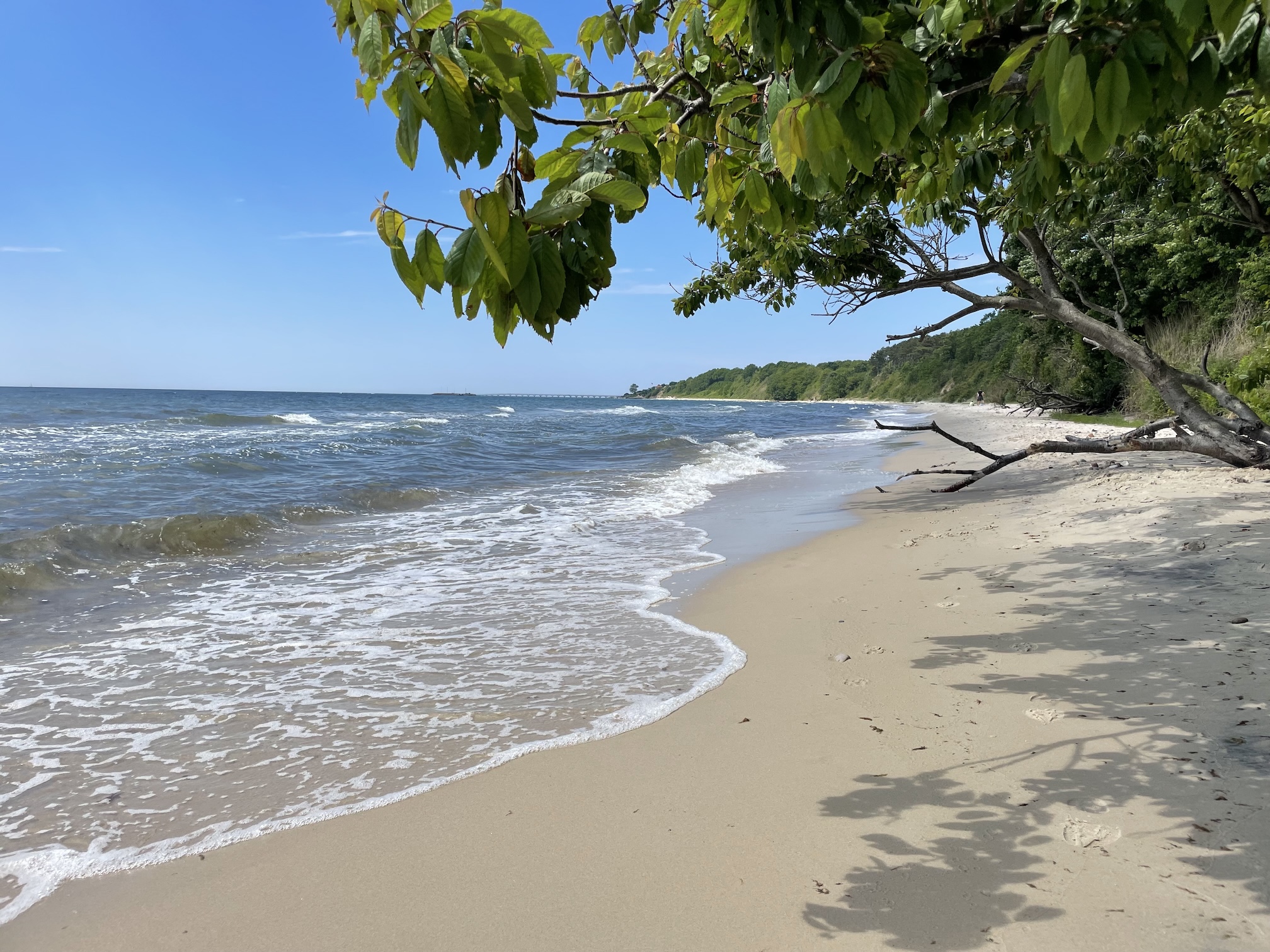
Bornholm beach
Dresden
Dresden is the most beautiful of Germany’s major contemporary cities, and good luck convincing me otherwise. Dresden’s 2020s skyline is still dominated by rebuilt Baroque spires and Renaissance silhouettes, much lovelier than the soulless skyscrapers that now loom over Berlin and Frankfurt. One Friday night as I was walking through the heart of the city, an oboe player started playing a song from the Lord of the Rings. The familiar notes echoed off the grand buildings and I swear reality ceased to exist for few minutes. At the edge of Dresden’s old town swishes the river Elbe. Follow the river upstream a ways past grand old estates and Pillnitz castle, or better yet continue on to the Sächsische Schweiz National Park, whose hoodoos and moss-riddled canyons make it the best German park I’ve seen yet.
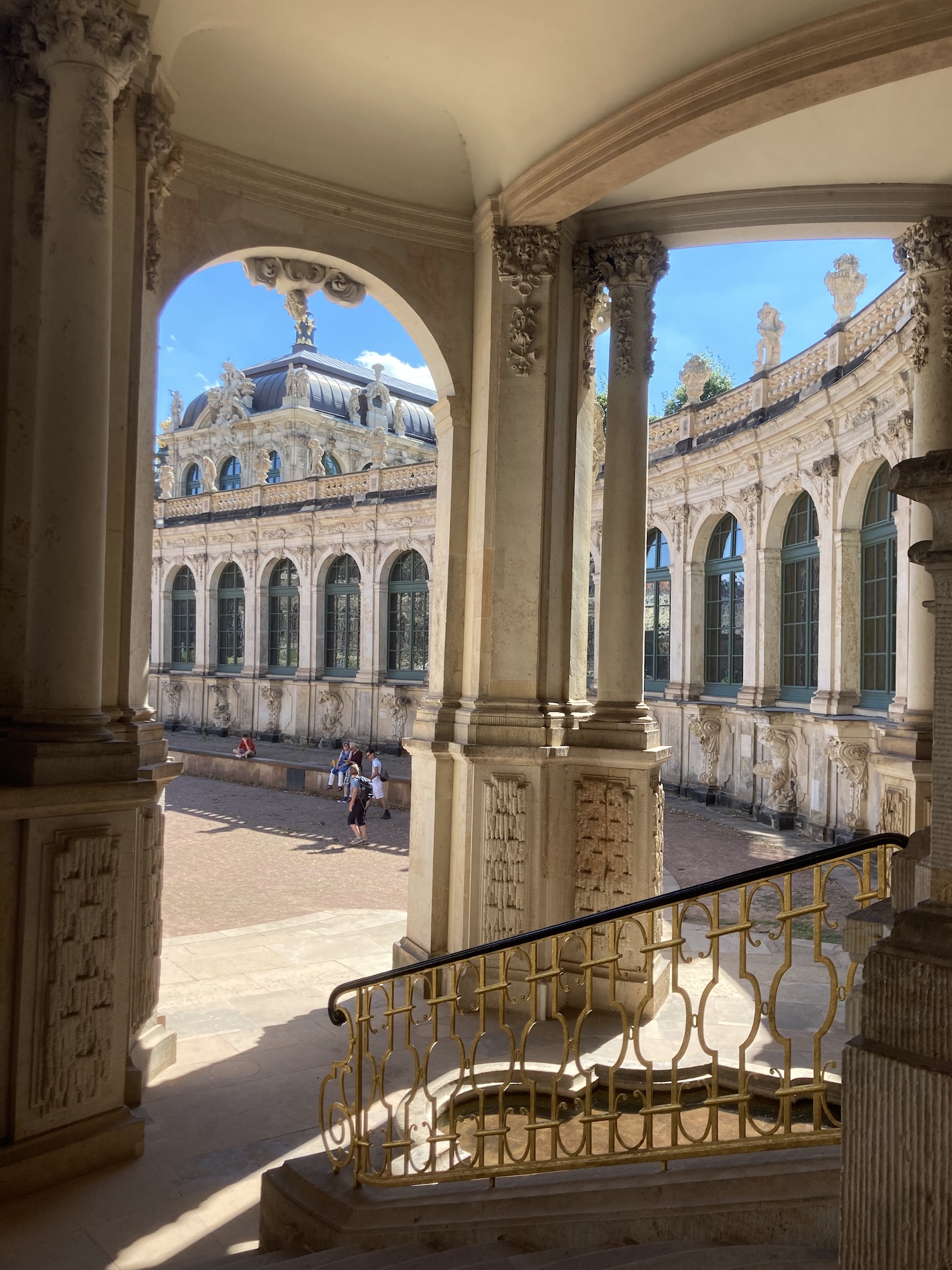
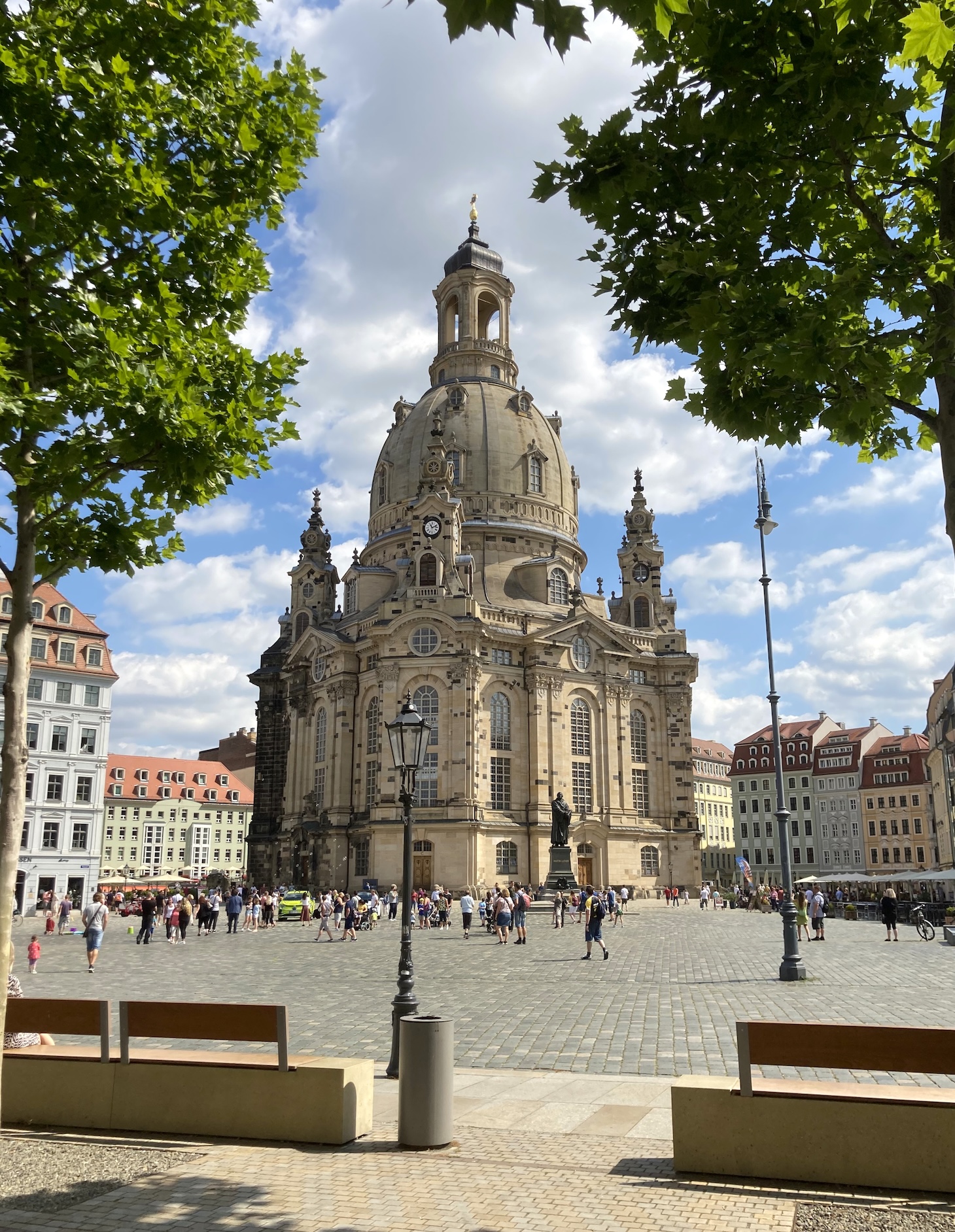
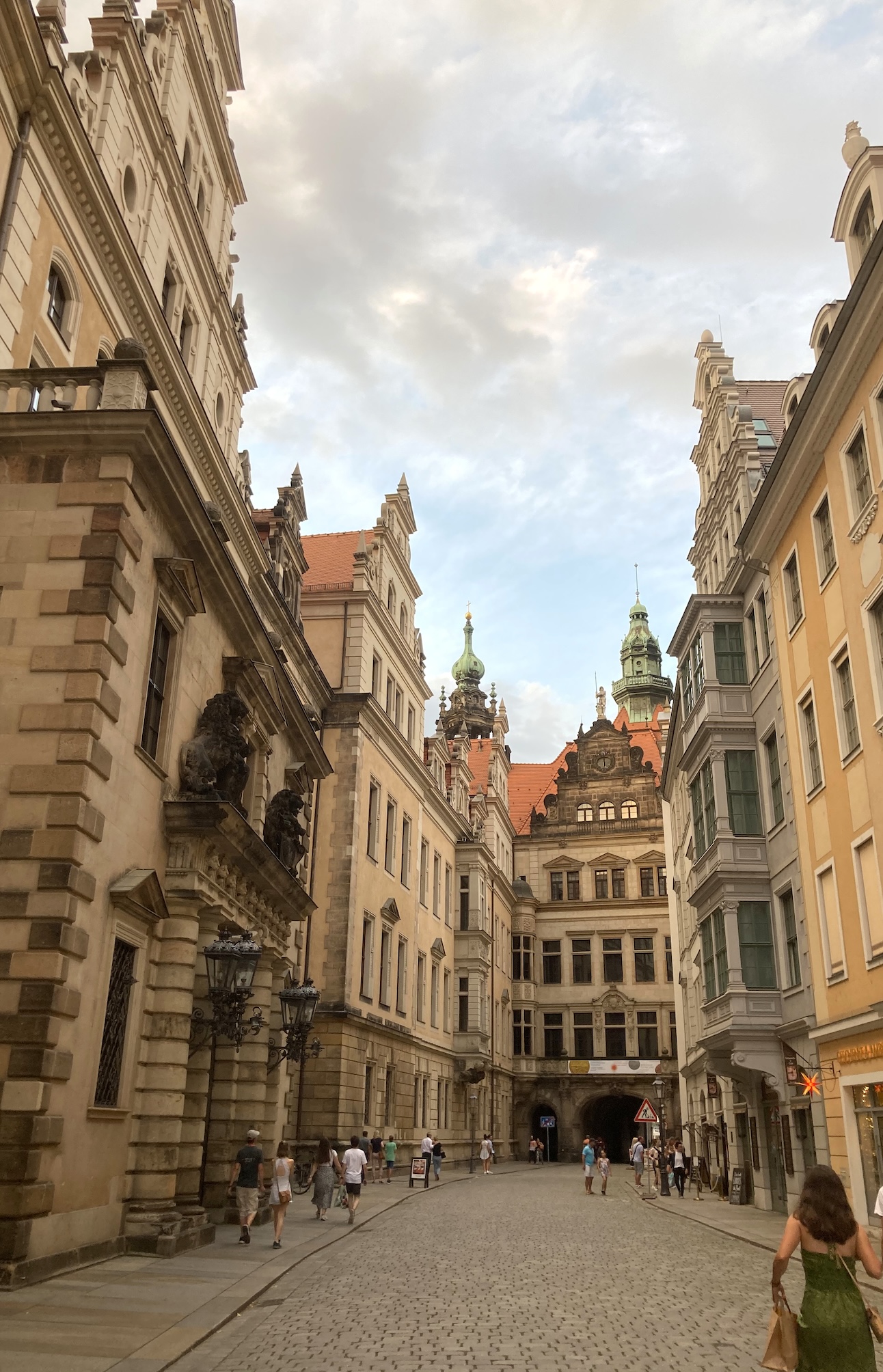
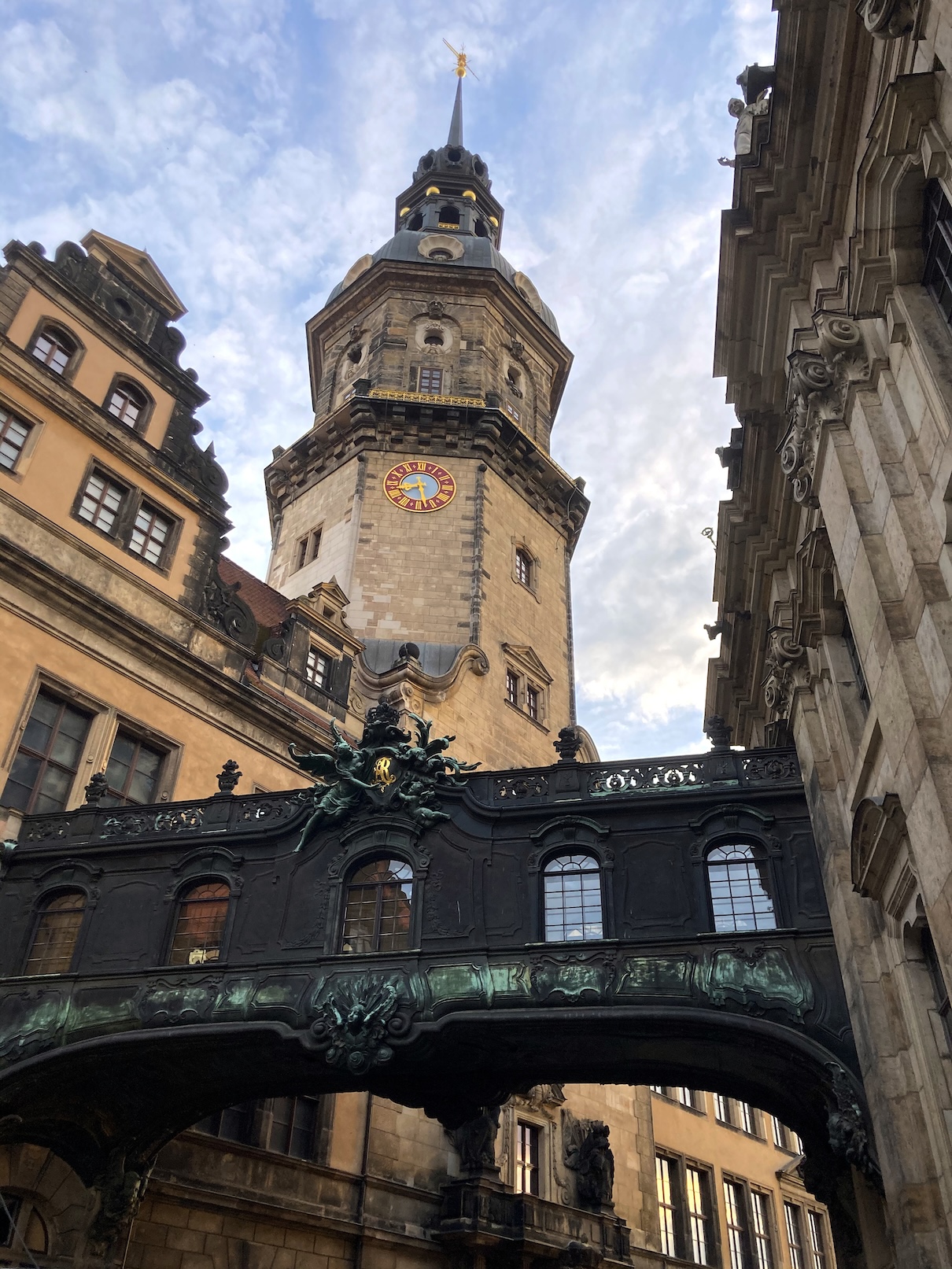
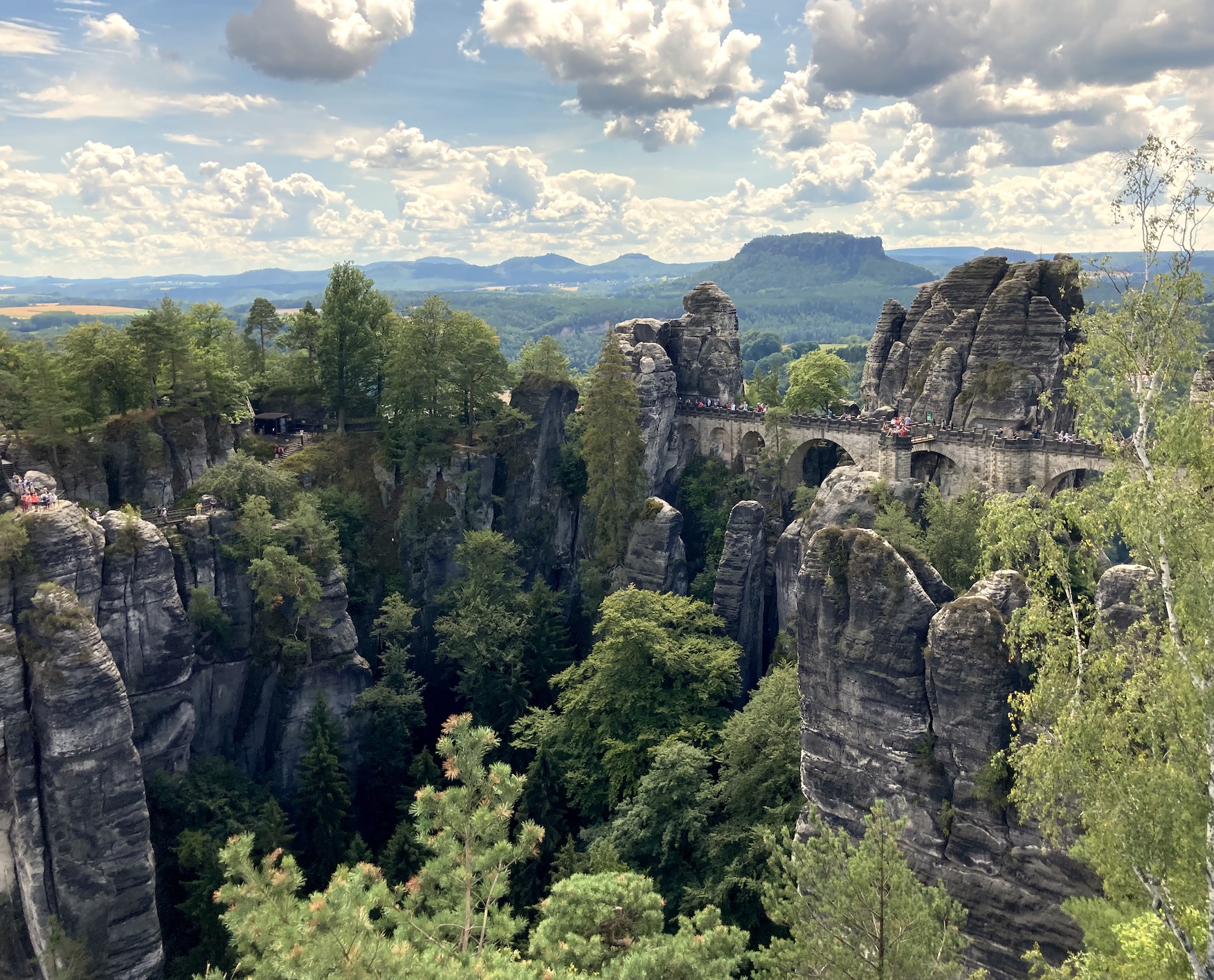
Dresden & Bastei Bridge
Faroe Islands
If you like dramatic and blustery islands that are mostly inhabited by sheep, boy have I got the place for you. In high summer, Faroese light comes from everywhere at once, filtered through cloud and mist that shift by the second. The only marks on the emerald hillsides are tiny villages, sheep trails, and meandering roads that lead to places unseen. And waterfalls, of course, which multiply with the rain and then fall in whichever direction the wind and gravity can agree on. The bite-sized archipelago is tied together with tunnels and bridges and ferries and commercial helicopters, and few places are more than an hour away from wherever it is you stand. One of the wildest places I visited was Kallur Lighthouse, where I stood on a mile-wide fin of Earth and contemplated our fragile existance: in all directions the land plunged towards the frigid sea, with varying degrees of urgency. The harsh landscape is at odds with the Faroese people, who are a kind and trusting folk, with a sharp wit and fabulous English. Scuttlebutt says if you want to hitchhike, you’ll probably get a ride from the first car that passes you. I did my part by giving a ride to a couple of Belgian hikers who approached me at a trailhead, and in turn I got a ride from a couple at my hostel who were headed to the airport at the same time as me. If this all sounds delightful to you, I recommend you go now, before tourism really gets its hooks into the place.
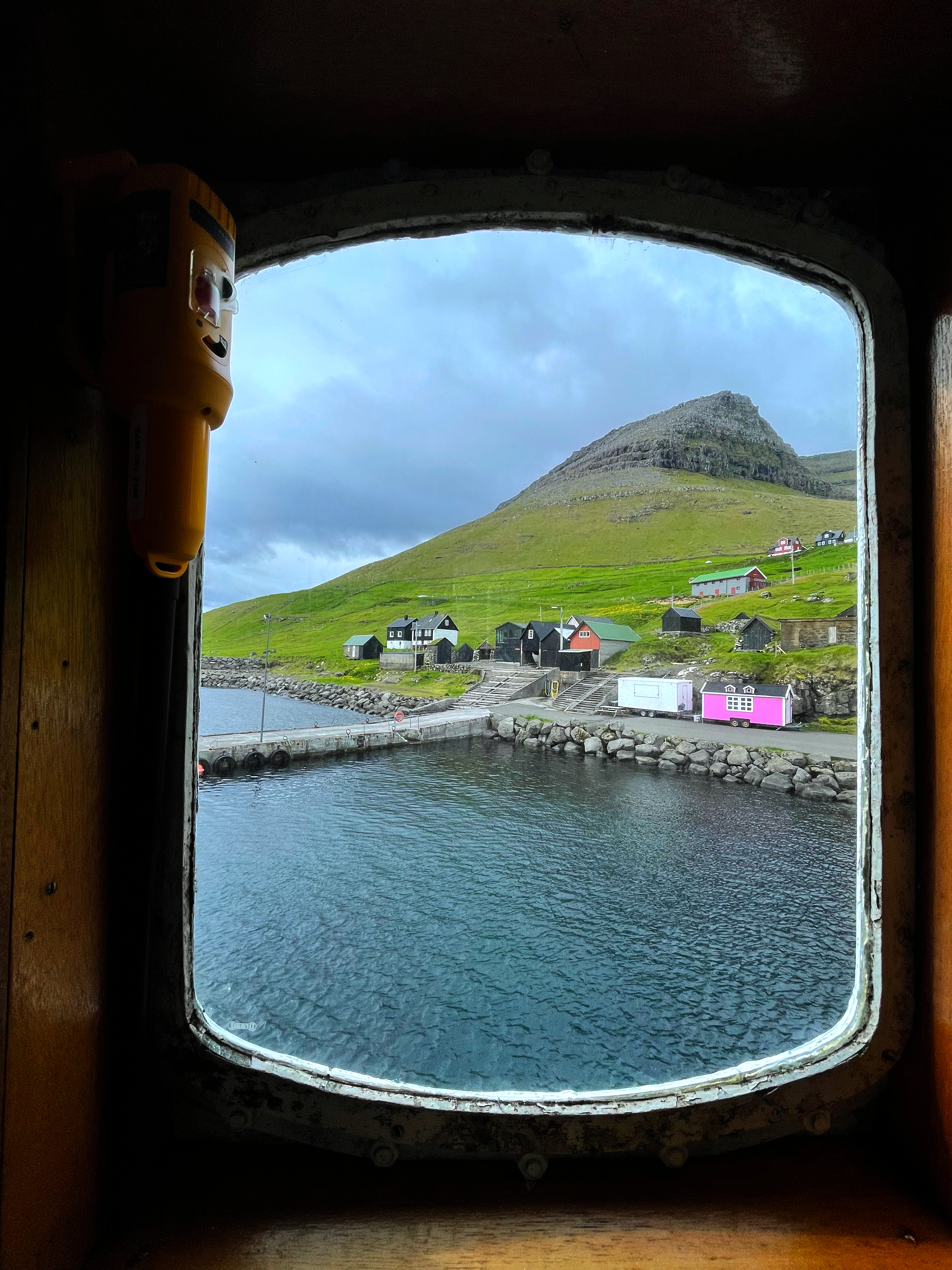
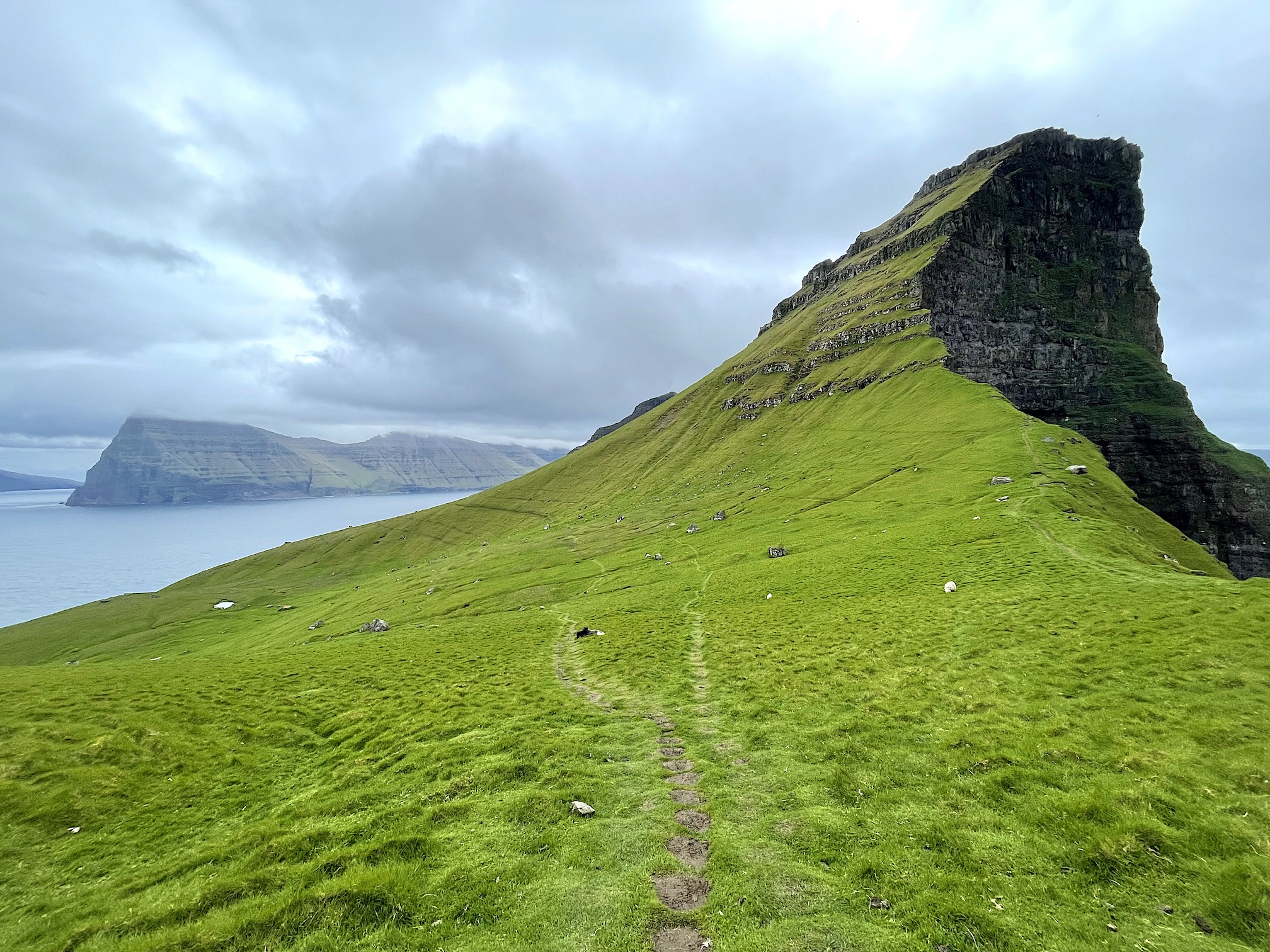
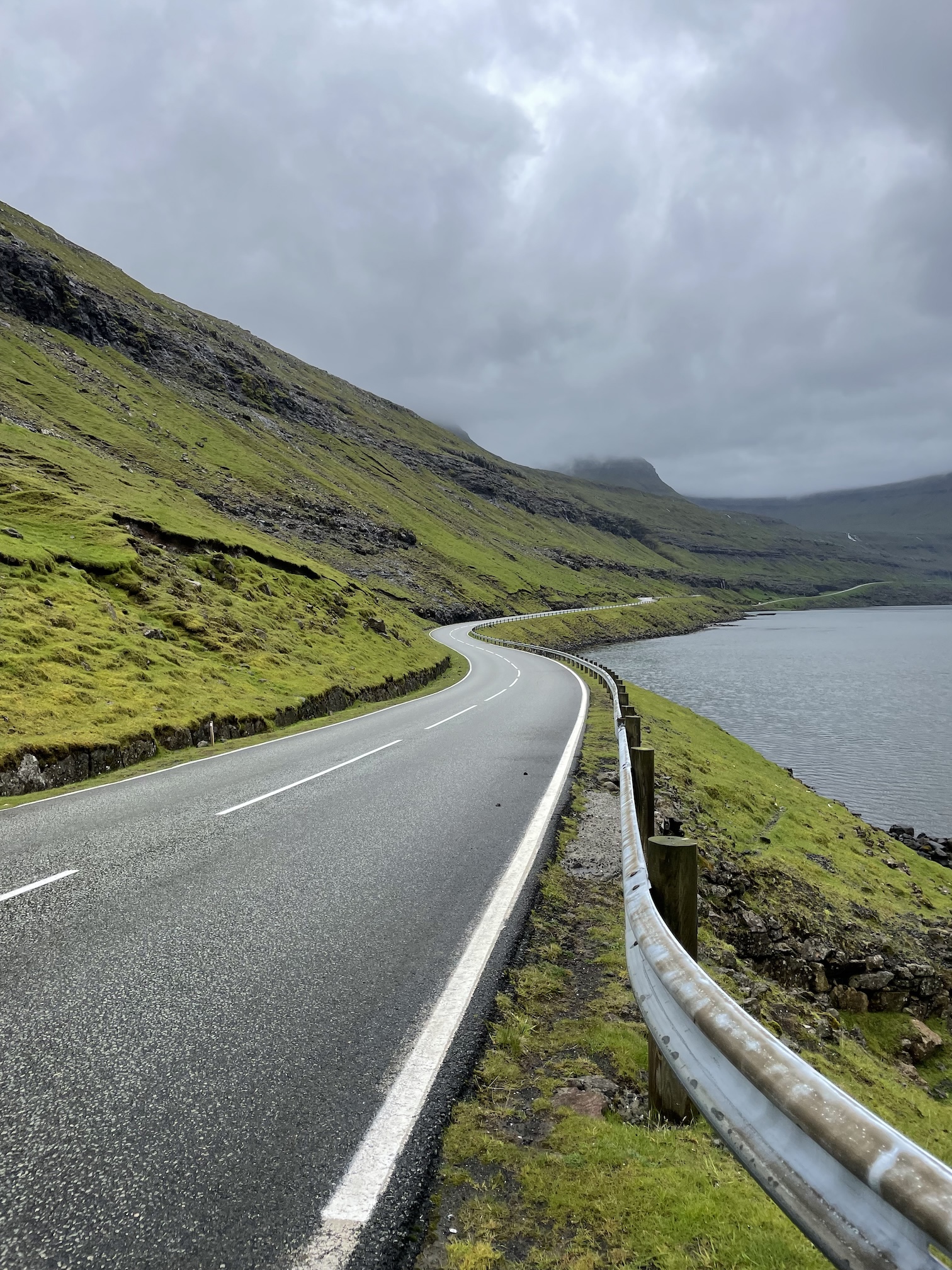
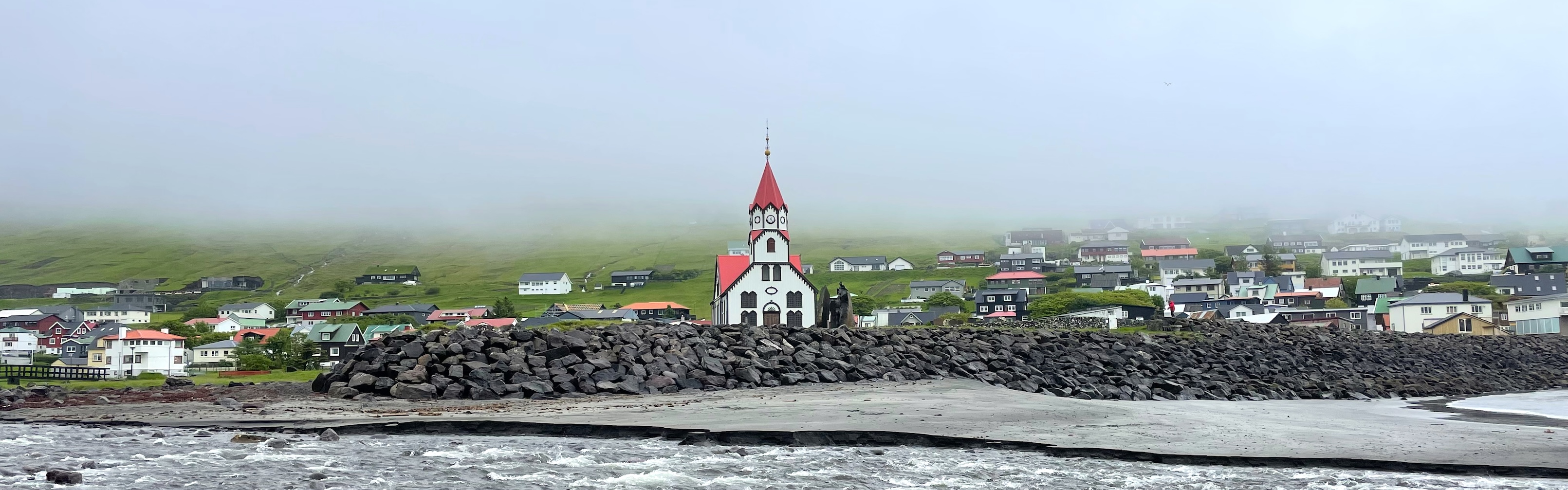
Ferry to Kalsoy / Kallur lighthouse / Road to Gjógv / Bottom: Sandavágur
Julian Alps
Cinematic is maybe the best word for Slovenia’s Julian Alps. Sheer walls of white limestone swoop down into valleys, then change their minds and decide they want to be mountain peaks again and swoop back up towards the sky. That same limestone lines the riverbeds and turns the rivers to clear aqua, nearly Caribbean in hue, although that illusion shatters the second you stick your trail-weary feet in the water and they go numb from cold. Speaking of numb, “white-knuckling” doesn’t quite describe the experience of driving up a Julian mountain road. The “two-way” hairpin route up to Mangart is so narrow that meeting an oncoming car means waiting for them to reverse up to the nearest pulloff and nuzzling up to either a cliff’s dropoff or rock face to scooch on by. My nerves were shattered by the time I parked at the top, in a wide subalpine meadow filled with fluffy little edelweiss flowers. I stepped blindly on top of a grassy knoll and my head swam at the sudden view of the ground dropping away, revealing a vertical kilometer of empty space separating me from the valley floor. Not today, limestone cliff. I’ll take the scary but pretty road back down instead.
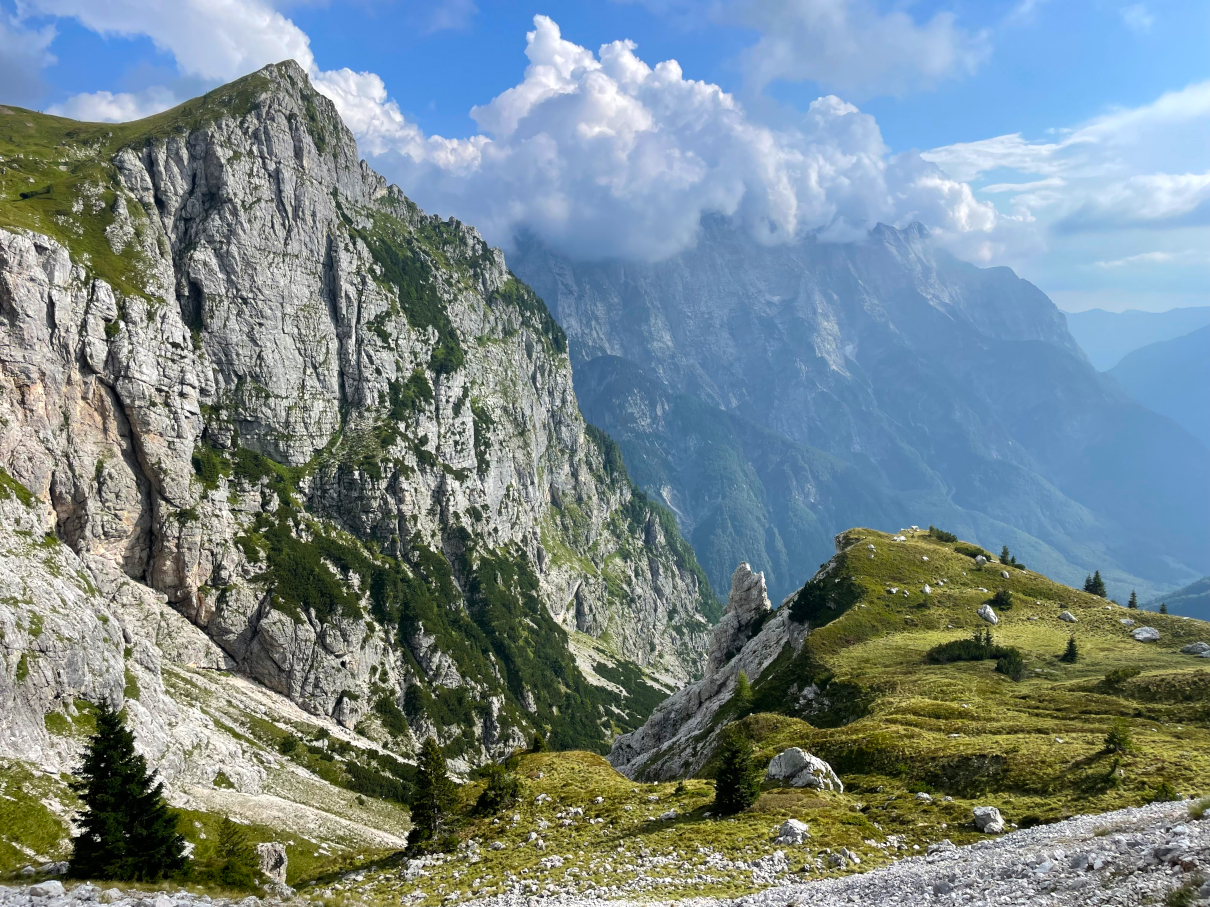
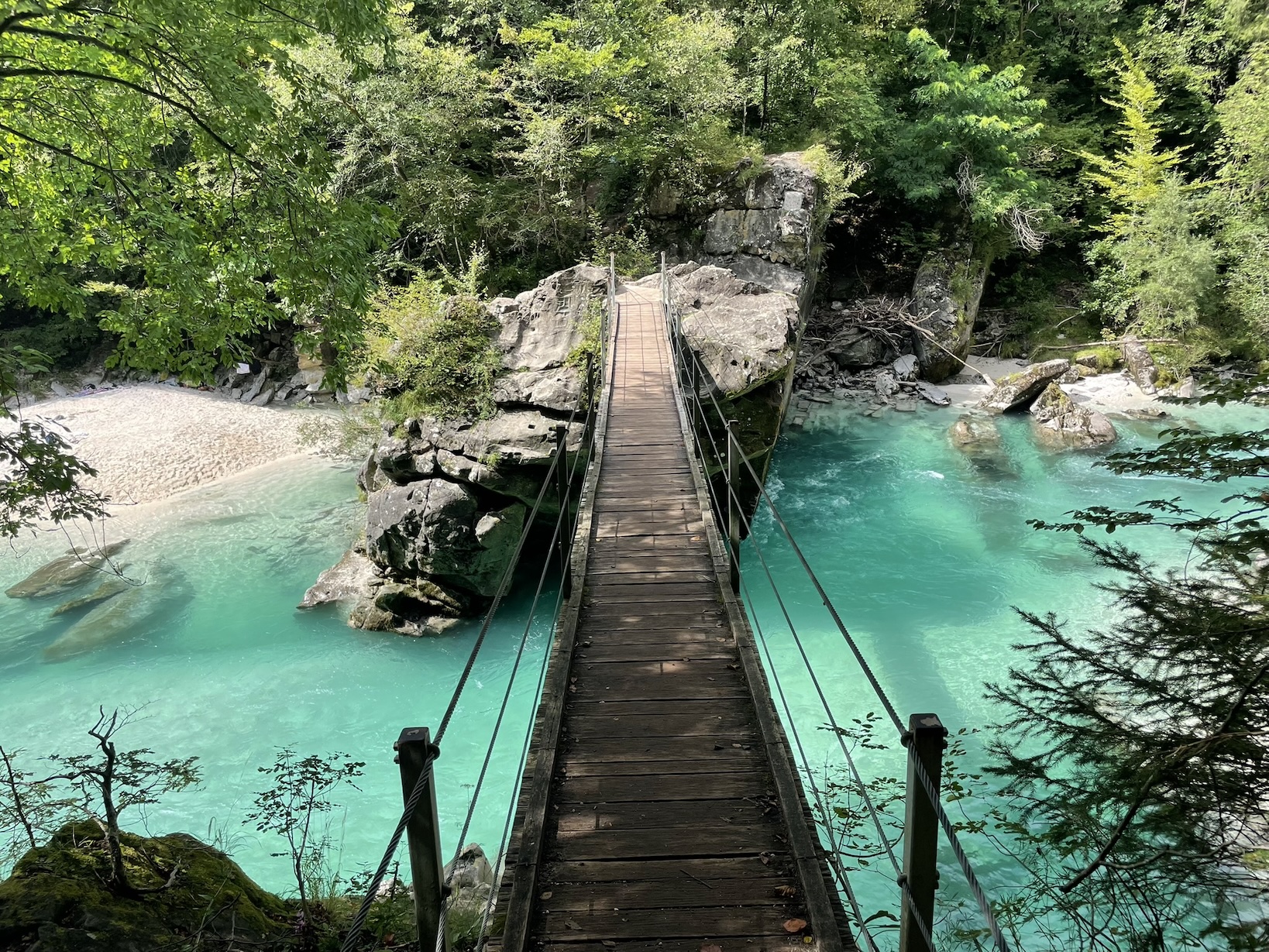
Mangart views / Soca River trail
Madeira
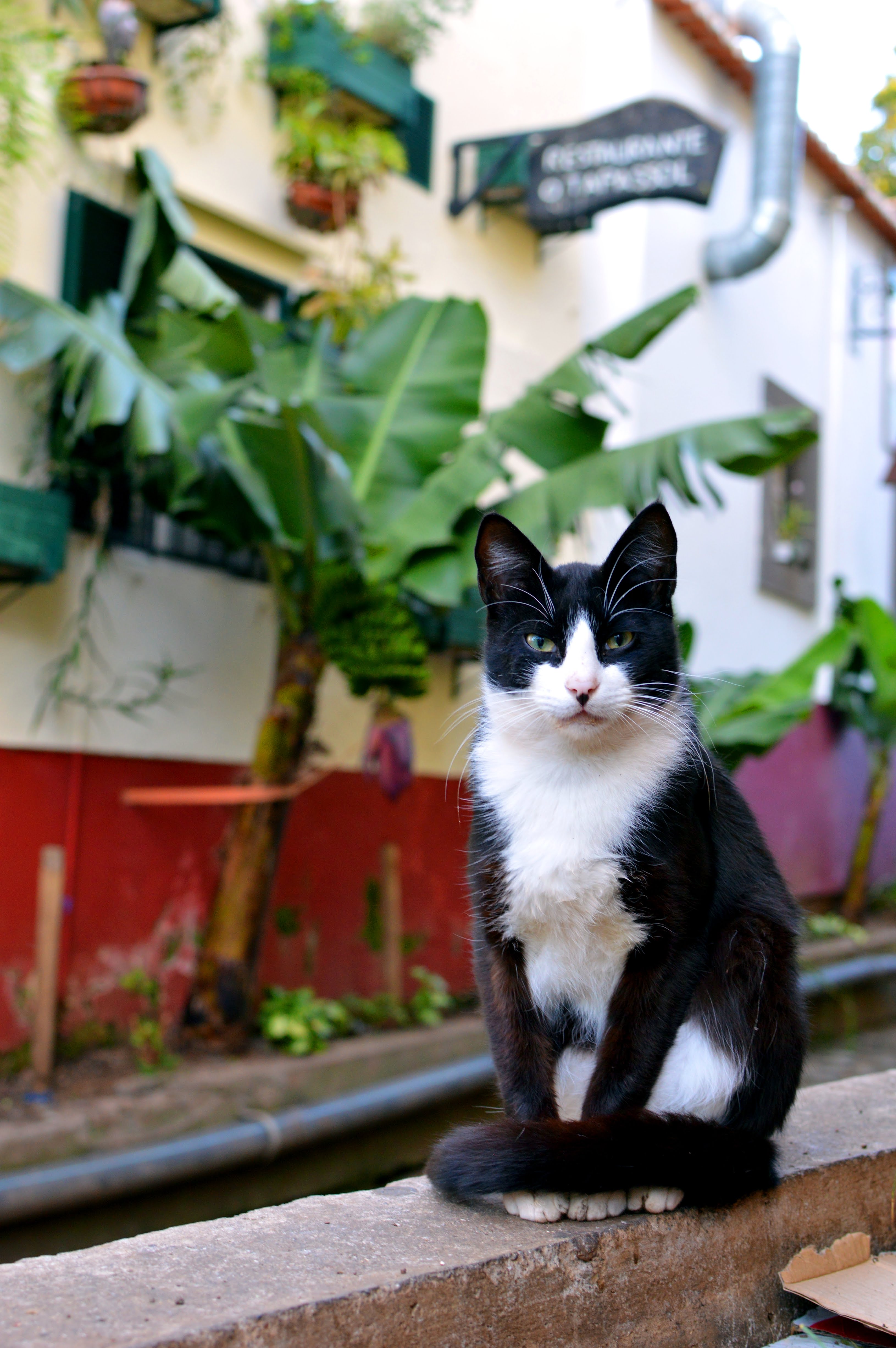
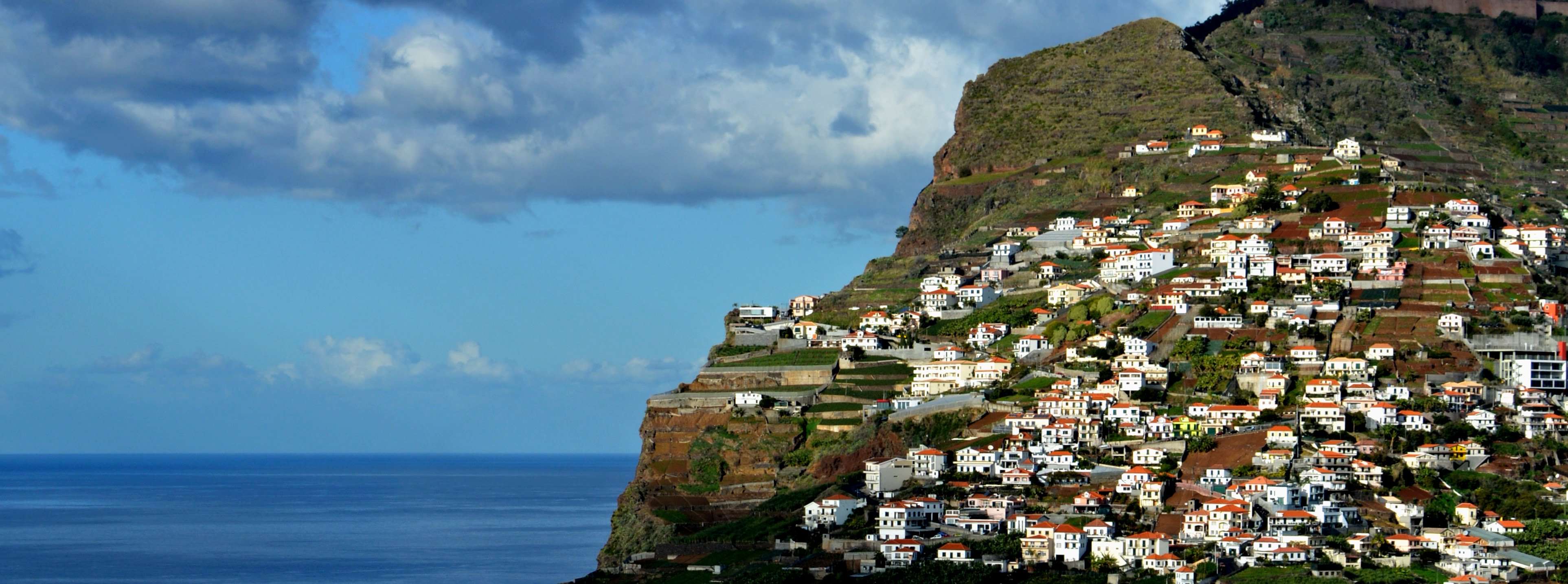
Ahh, the island of eternal springtime. I’m a shoulder-season-weather type of gal who revels in layers and clouds, especially when it comes to hiking vacations, and that just happens to be one of Madeira‘s specialties. The 60-kilometer-long volcanic shard is draped in an endemic rainforest habitat called laurisilva that’s found only on the east Atlantic isles. Madeira’s wild interior is carved into terraced smallholdings, filled with bananas and passionfruits, and serviced by tiny canals that criss-cross the island to move water from the wetter northern face to the sunnier southern slopes. Those same canals, locally called levada, have a side gig as hiking trails, and you can follow them nearly anywhere across the island. Of course, being a subtropical Portuguese island, Madeira is also a lovely choice for foodies and beach bums.


Stockholm
Stockholm is by far my favorite Nordic capital, even beating out Reykjavik (!). Stockholm is an island city and you’re always near the water, although that’s not surprising for an old seafaring capital. What is surprising is the colorful old town district of Gamla Stan that’s protected from any 21st century “improvements.” And the Vasa Museum, which was built around a preserved intact 400-year-old wooden ship by the same name that sank less than a mile into its maiden voyage and was somehow lost for the next few centuries. And the open-air Skansen museum, which is a cross between historic Swedish houses and a Scandinavian zoo for some reason. If you’re not so much a museum person (no judgement here), you can wind your way across the – river? channel? strait? whatever, it’s water – from Gamla Stan to Södermalm island, where the foodies and general youngins hang out. Keep going to Långholmen island and you’ll find quiet hiking trails across granite balds and a marina filled with handcrafted wooden boats, where I rented a kayak to paddle around in said river/channel/straits. All this to say that Stockholm may have been born of water, but it’s adapted quite nicely to land.
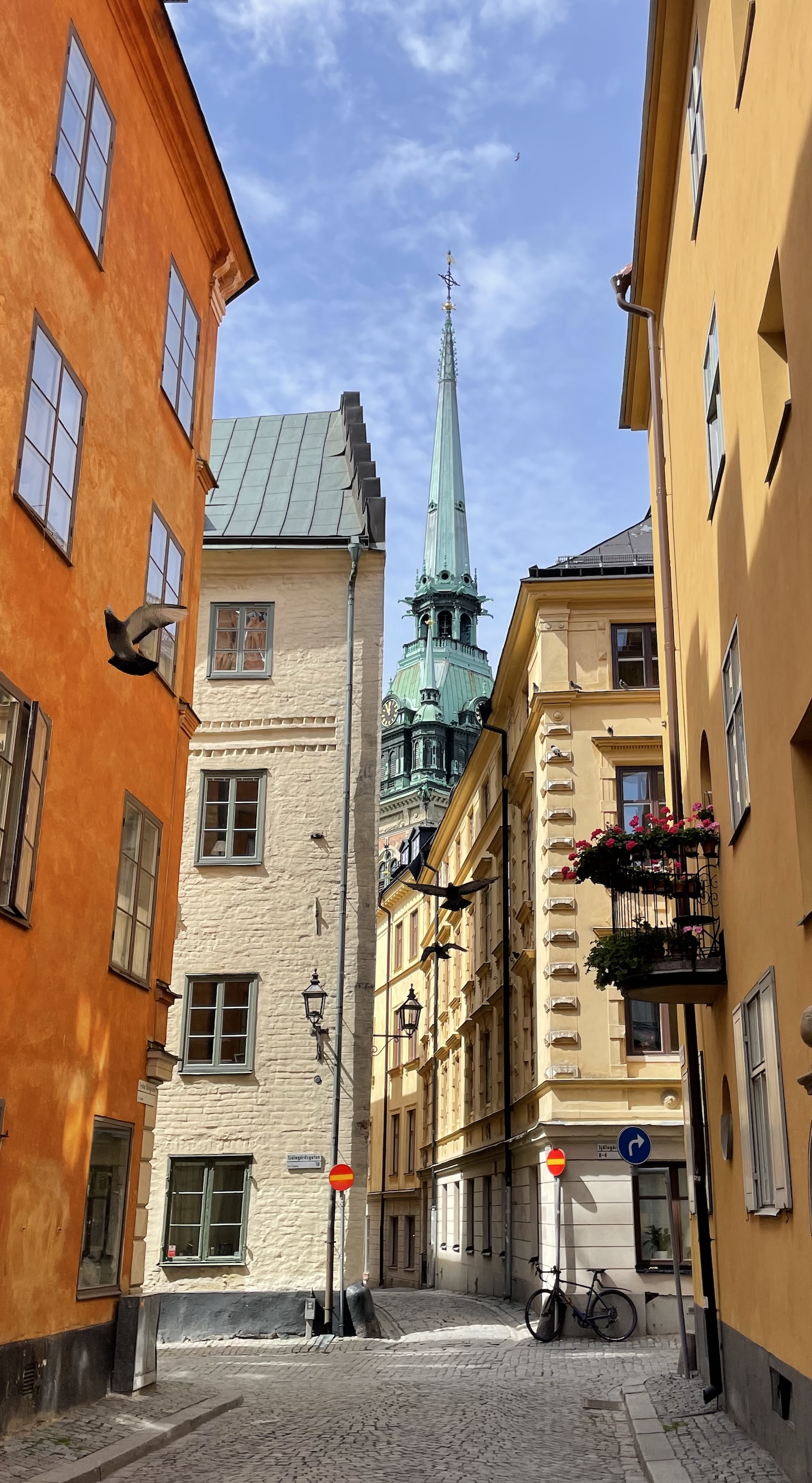
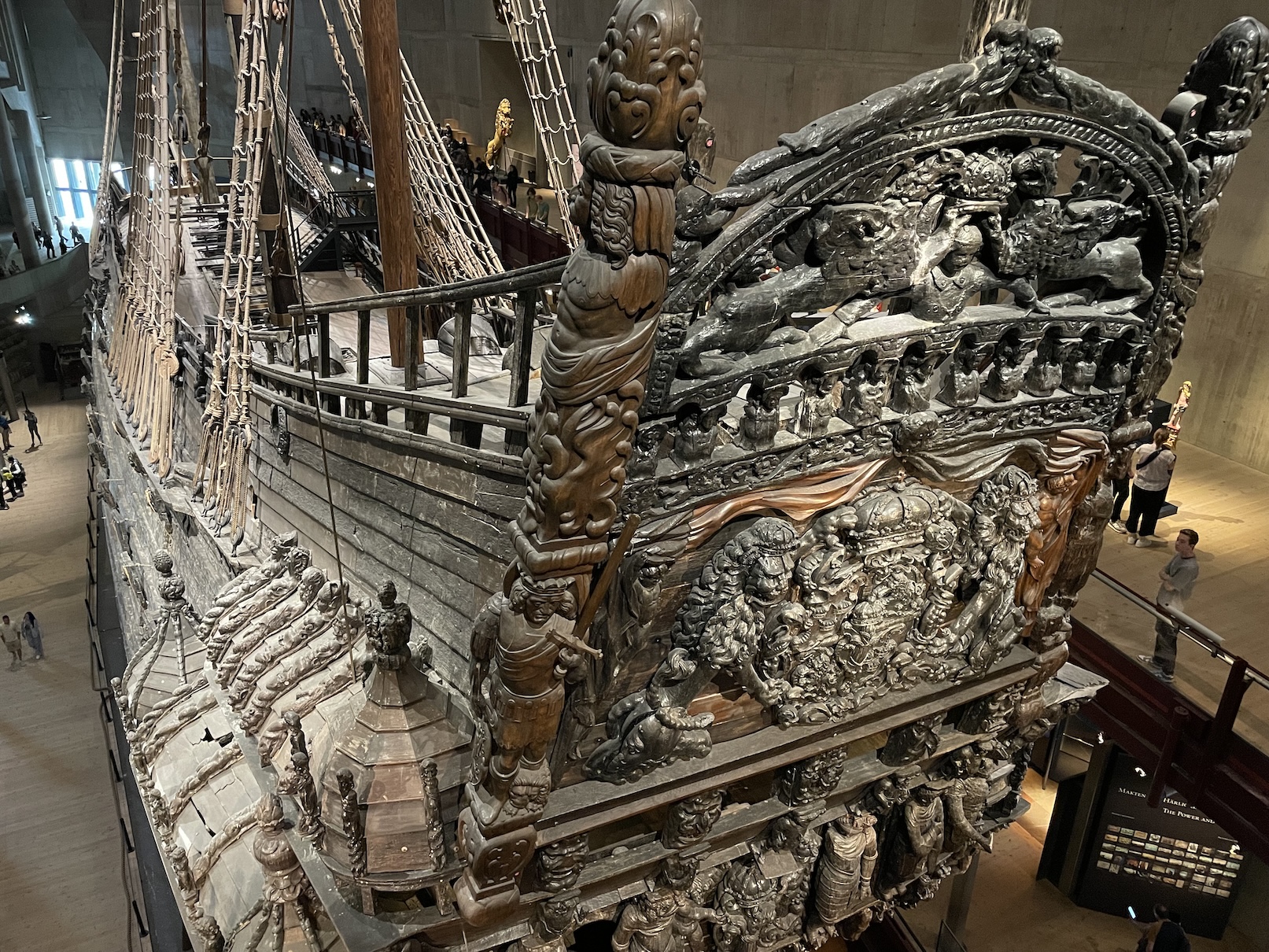
Gamla Stan (“old city”) / Vasa Museum
Transylvania
Yes, Transylvania is a real place, and yes, sometimes they lean hard into the Dracula lore. Then again, if there are any supernatural beings chilling in Europe, the dark woods that cloak the Carpathians just might be their home. Transylvania is one of those proper old-world places where people still drive carriages and grandfathers play chess in parks and grandmothers wear headscarves and skirts. Communism wasn’t overly kind to the big city of Cluj-Napoca (or Bucharest), but the villages like Brașov, Sibiu, and Sighișoara still have the power to charm the pants off you. Their architecture is shockingly Germanic, right down to the suspicious eye-windows that watch you from the rooftops. Head into the mountains via the thrill ride otherwise known as the Transfăgărășan highway and you might feel like you’re on a racetrack, especially if you pass a slow old station wagon on a sharp mountain curve (guilty). Ditch the car and walk into the wilderness on foot, and there’s no telling what you’ll find – maybe a wayward shepherd or a wooden castle or a fantastic view. Transylvania keeps you guessing.
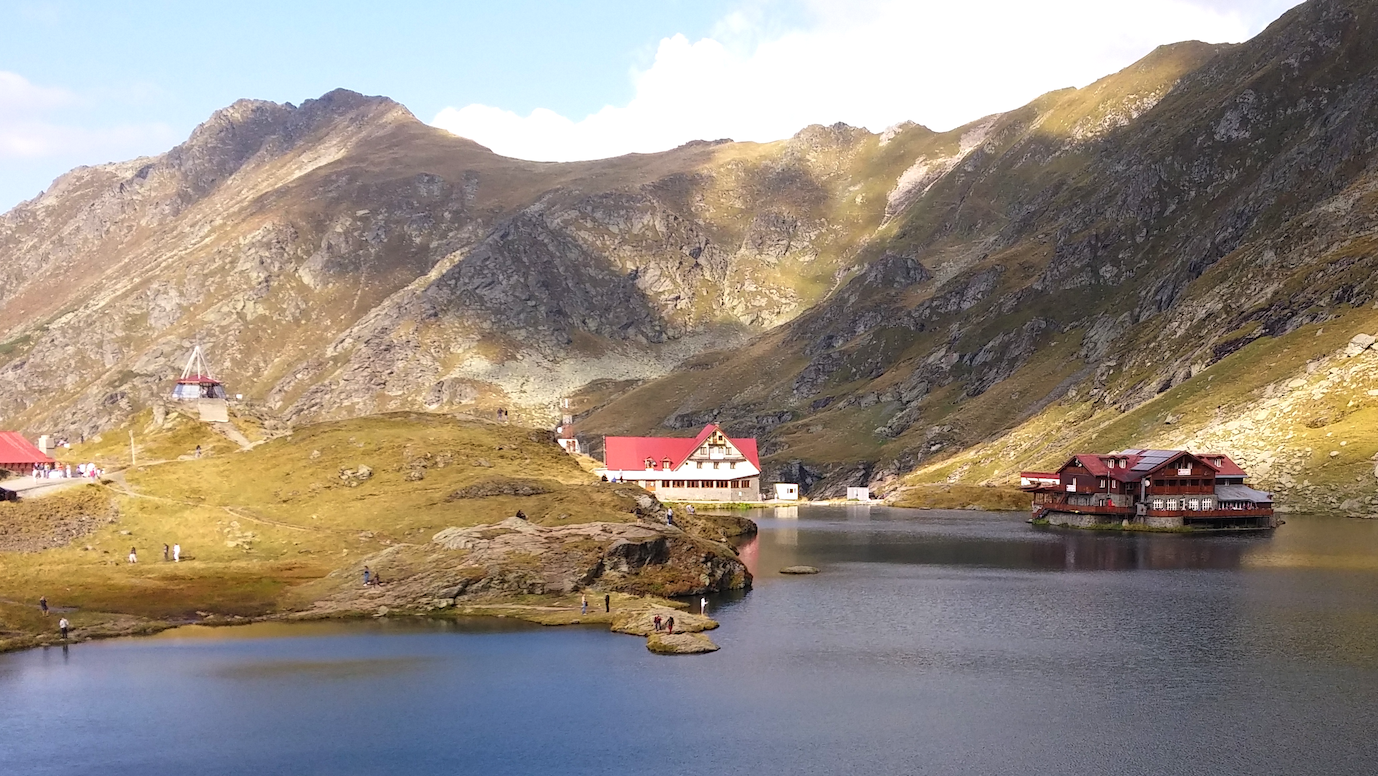
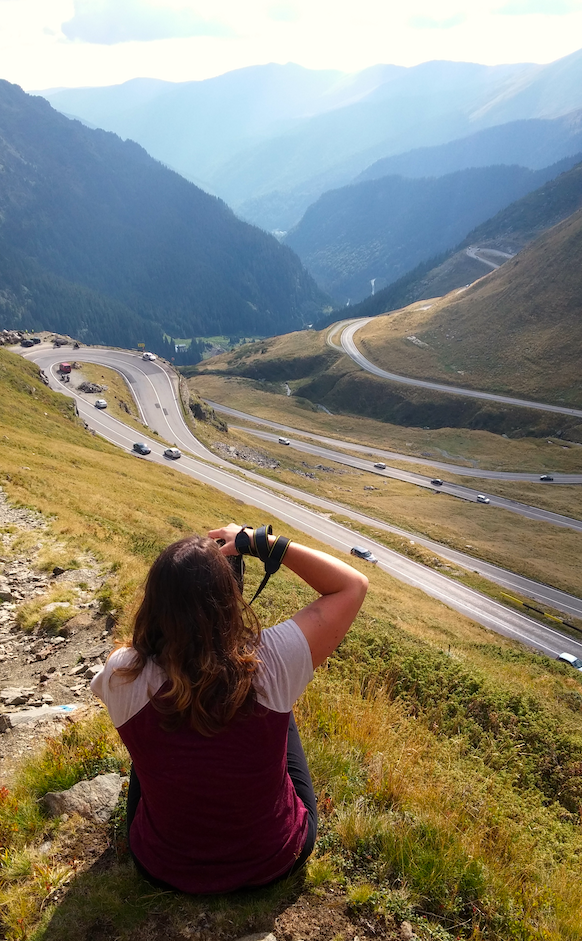
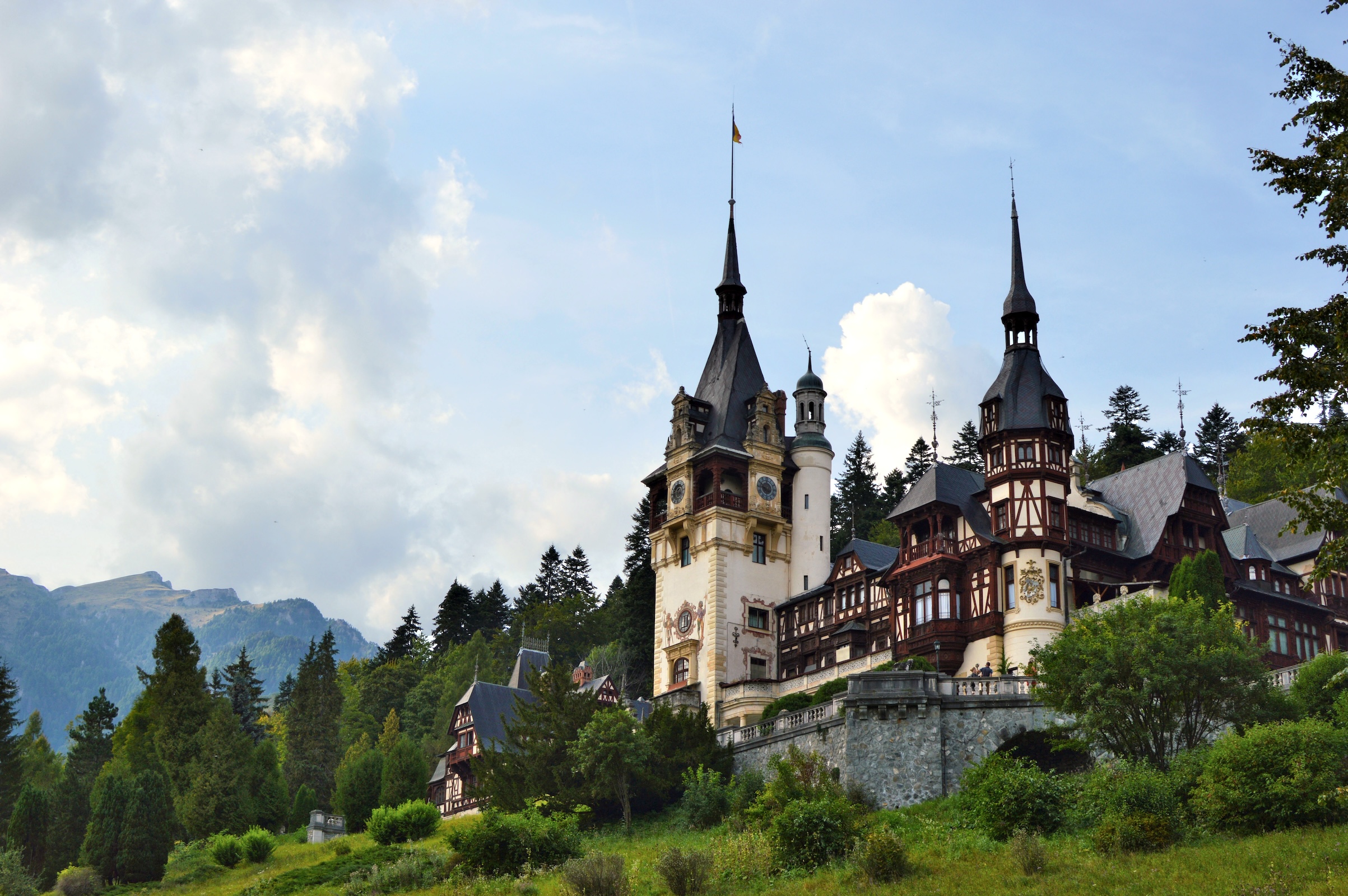
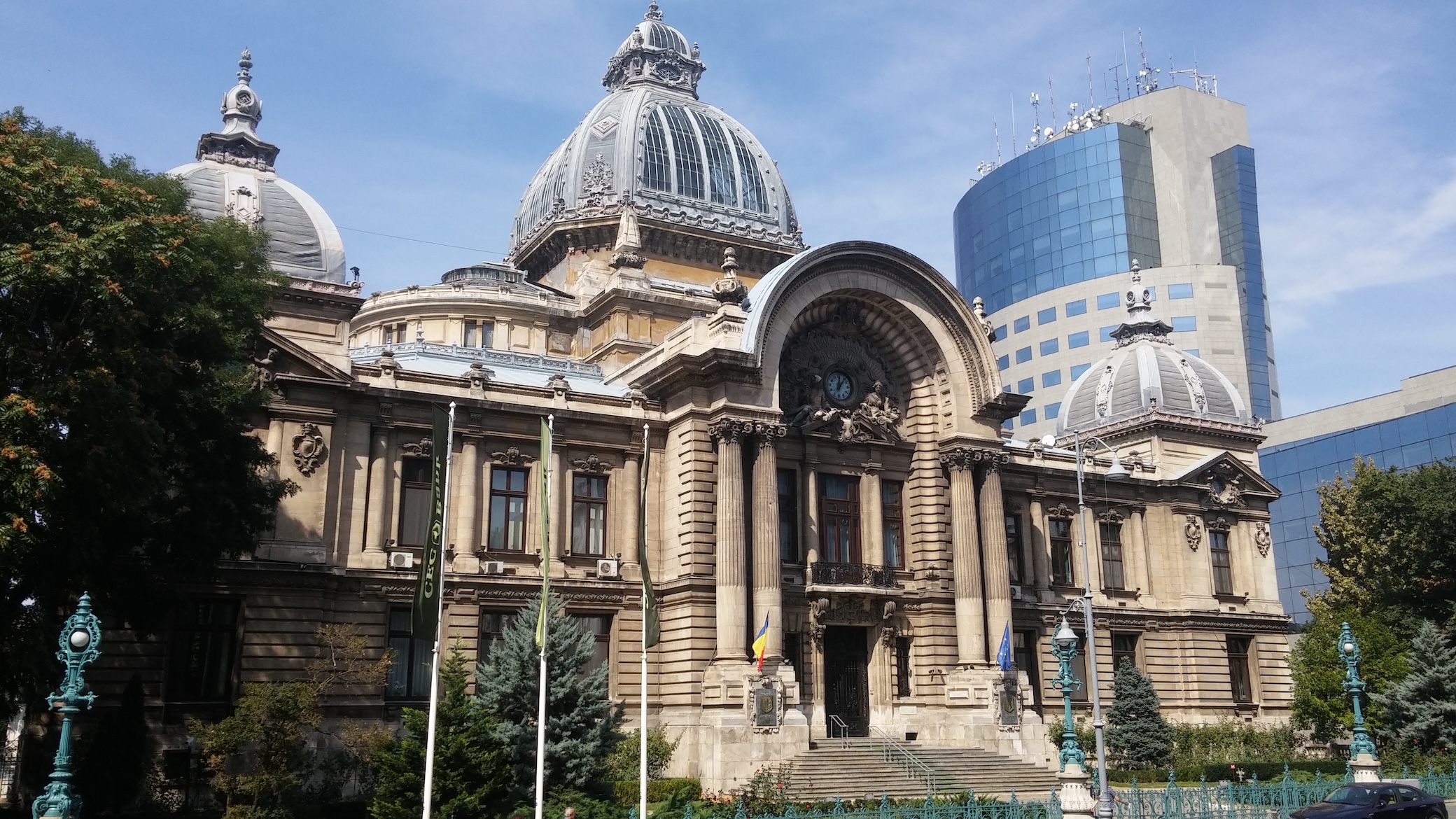
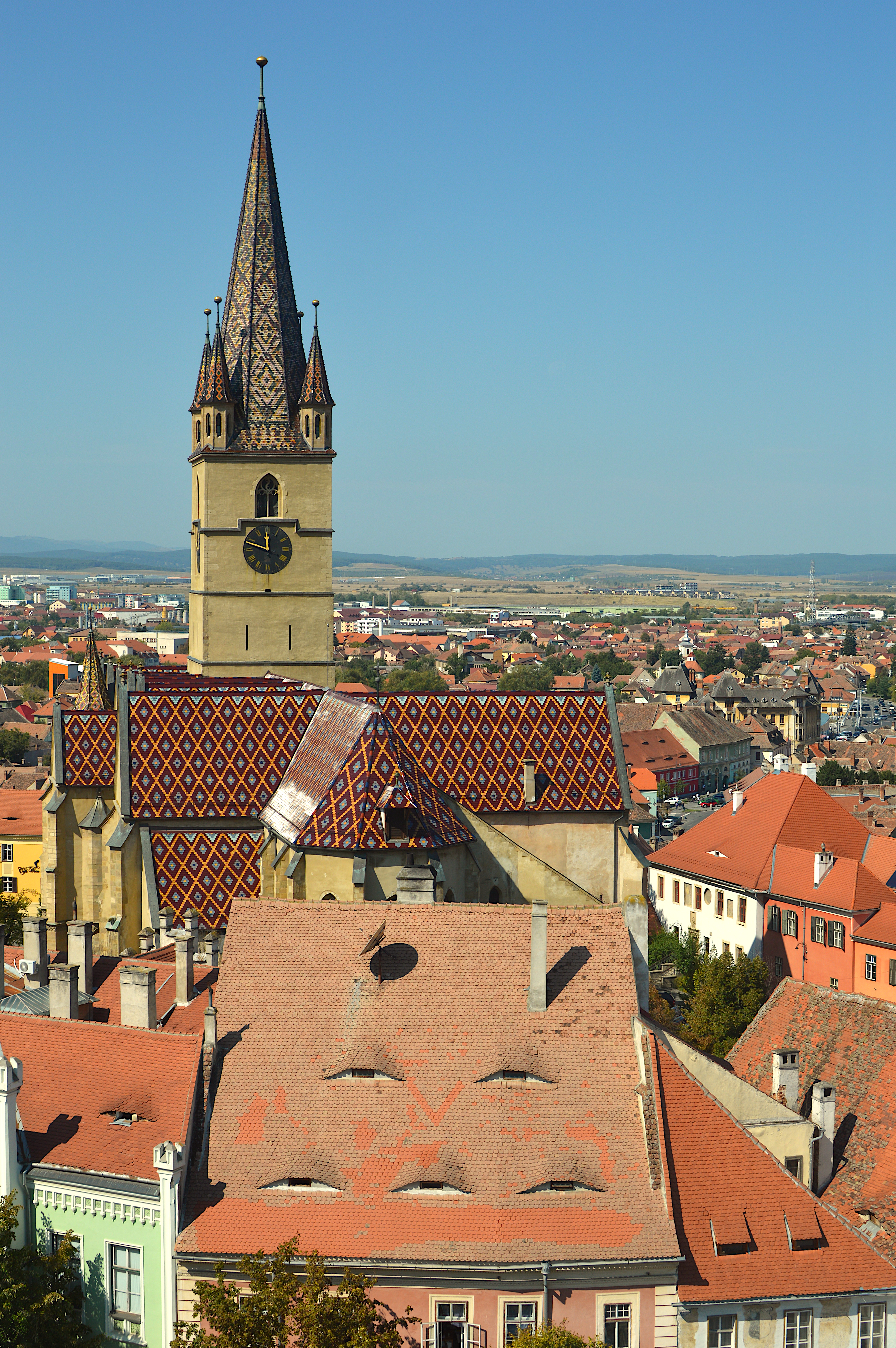
Top: Balea Lake and the Transfăgărășan highway / Middle: Peles Castle / Bottom left: Bucharest / Bottom right: Creepy eye windows of Sibiu
- Scotland and Turkiye are the others ↩︎
 Window Seat Odyssey
Leave a comment